Opens in a new tab

Best Books for Entrepreneurs

Fourteen books in the order a founder needs them, from testing the idea to the long road.

Whether you are launching a startup, running a small business or building a side hustle next to your job, the best books for entrepreneurs are the ones that help with the problem in front of you right now. This list keeps it to fourteen, each picked for one job.

The books run in the order you are likely to need them. Test the idea with real buyers (books 1 to 3), find your edge and your customers (4 to 6), then get money and systems under control (7 to 9); those three suit small businesses and solo founders as much as startups. Books 10 to 12 cover the hard parts: decisions under pressure, luck and your own health. Books 13 and 14 are founder stories for the long road, from Nike’s early years to the rise of Alibaba.

How we chose: every book comes from the BookBits catalog, and we read the lists that currently rank for this search before picking. None of them orders the books by the job each one does for a founder, and few cover two things founders need early: talking to customers and building an offer people will pay for. We added both, kept the classics that still earn a place, and ordered the fourteen by the stage of the business where each one helps most, so each book picks up where the one before leaves off.

If you read only one before you start, make it The Mom Test; if you already have customers, jump to the stage you are in. Every book links to its audio summary on BookBits, with a free preview.
14 books, 4h 16m
Explore the first book →
Best Books for Entrepreneurs cover

The books

14 books
  1. 1

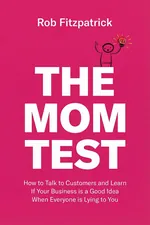
    The Mom Test

    Rob Fitzpatrick

    Rob Fitzpatrick's point is that almost everyone, not only your mother, will be kind about your idea, and kindness is useless data. He teaches you to ask potential customers about their lives, their past behavior and what they already spend money on, instead of asking whether they like your plan. It suits first-time founders and anyone about to quit a job for an idea. It comes first because every later book assumes you have a real problem worth solving, and this one shows you how to find out.

  2. 2

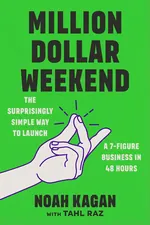
    Noah Kagan pushes you from planning to selling. His method is to put a simple version of an idea in front of real buyers within a weekend and ask for money, then let their response decide whether it deserves more of your time. Much of the book is about getting past the fear of asking and rejection. It suits people who have been thinking about a business for years. It follows The Mom Test because, once you know the problem is real, the next proof is a payment.

  3. 3

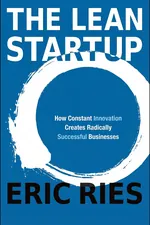
    Eric Ries turns early testing into a repeatable method: build a small version of the product, measure what customers actually do with it and learn from the result, then change course or keep going. He calls this validated learning, and it replaces long secret builds with short experiments. It suits startups and new products inside larger companies. It closes the first stage because it takes the quick tests from the first two books and makes them a routine you can run for years.

  4. 4

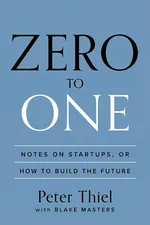
    Zero to One

    Peter Thiel

    Peter Thiel asks the strategy question every founder has to answer: what valuable thing are you building that nobody else offers? He argues that copying what already works only adds more of the same, while the strongest businesses create something new and avoid head-to-head competition altogether. It suits founders with ambitious ideas and anyone writing a pitch. It opens the second stage because, after you have tested demand, you need a clear reason your business should exist instead of a slightly better competitor.

  5. 5

    $100M Offers

    Alex Hormozi

    Alex Hormozi shows how to build an offer so valuable that buyers stop comparing you on price. His value equation weighs the result a customer wants, how likely they believe it is, how long it takes and how much effort it costs them. It suits freelancers, coaches, agencies and service businesses stuck competing on cost. It follows Zero to One because it turns a broad idea about standing apart into the specific package, price and guarantee you put in front of a buyer.

  6. 6

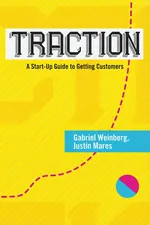
    Traction

    Gabriel Weinberg

    Gabriel Weinberg argues that most startups fail for lack of customers rather than lack of product, and that founders try too few ways to find them. The book lays out nineteen channels, from search and content to sales and partnerships, and a process the book calls Bullseye for testing several cheaply and backing the one that works. It suits founders who have an offer and no steady flow of buyers. It closes the second stage because it puts that offer in front of the right people.

  7. 7

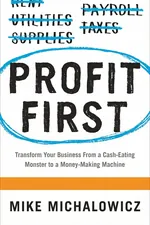
    Profit First

    Mike Michalowicz

    Mike Michalowicz flips the usual formula. Instead of paying expenses and hoping something is left, you set your profit aside first, using separate accounts, and run the business on what remains. The book treats cash as a behavior problem, not an accounting one, and fixes it with a simple routine. It suits owners of small businesses whose bank balance never matches their sales. It opens the money and systems stage because customers do not help if the cash leaks out as fast as it arrives.

  8. 8

    The E-Myth Revisited

    Michael E. Gerber

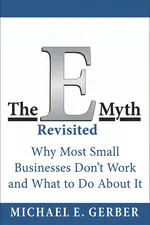
    Michael E. Gerber argues that many small businesses are started by skilled technicians who end up working in the business instead of on it. His fix is to document how everything is done, as if you were building a franchise, so the company can run without the founder doing every task. It suits bakers, designers, consultants and anyone whose business depends on them every day. It follows Profit First because, once the money is under control, your own time is the next resource that runs out.

  9. 9

    Company of One

    Paul Jarvis

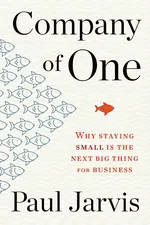
    Paul Jarvis questions the idea that every business should grow as fast as possible. He makes the case for staying small, profitable and in control of your own time, growing only when growth makes the business better rather than just bigger. It suits solo founders, freelancers and side businesses that do not want investors or a large team. It closes the third stage as a counterweight to the growth-minded books before it, so you can choose the size of business you actually want.

  10. 10

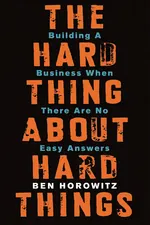
    Ben Horowitz is candid about the decisions no framework can make: when every option is bad, the stakes are high and the people around you are watching. He writes about layoffs, hiring and firing, and the psychological weight of leading a company through bad news. It suits founders who already run a team and anyone growing past the early stage. It opens the hard parts because the earlier books help you build, while this one helps you hold steady when building goes wrong.

  11. 11

    The Biggest Bluff

    Maria Konnikova

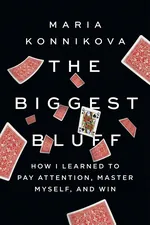
    Maria Konnikova, a psychologist with a PhD, learns poker from scratch and uses the game to study decisions under uncertainty. The lesson for founders is to separate the quality of a decision from the luck of its outcome, so one bad result does not make you abandon a sound plan, and one lucky win does not make you careless. It suits founders who replay every setback. It follows Horowitz because it gives you a calmer way to judge the hard calls he describes.

  12. 12

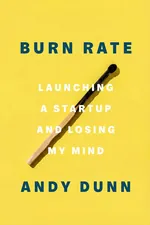
    Burn Rate

    Andy Dunn

    Andy Dunn, the founder of Bonobos, tells the story of building a company while living with bipolar disorder, a struggle he kept hidden while the company grew. It is honest about how startup pressure and mental health affect each other. It suits founders who feel they must look fine every day, and the people who work beside them. It closes the hard parts because after the decision books comes the person making the decisions: your health belongs in the business plan, not after it.

  13. 13

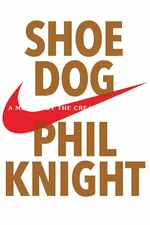
    Shoe Dog

    Phil Knight

    Phil Knight, the founder of Nike, recounts the company's precarious early years, when he sold running shoes from the trunk of his car and the business lived from one cash crisis to the next. It is a memoir rather than a method, and that is its value. It suits anyone whose start feels slow or uncertain. It sits near the end because, after twelve books of advice, it shows what the long road actually feels like, with all the doubt the success stories usually leave out.

  14. 14

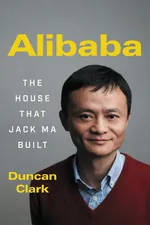
    Alibaba

    Duncan Clark

    Duncan Clark tells how Jack Ma, a former English teacher, built Alibaba into one of the largest e-commerce companies in the world through years of stubborn persistence. It suits founders building in fast-changing markets and readers who want a story from outside Silicon Valley. It closes the list as the one Asian founder story here, a companion to Shoe Dog that shows the same stamina in a very different setting.

Questions

What book should every entrepreneur read?

If we had to pick one, it would be The Mom Test. Whatever you build, you need to know whether real people have the problem you want to solve, and this book shows you how to find out before you spend money. If you already have paying customers, The E-Myth Revisited is the next strong candidate, because it helps you build a business that does not depend on you for every task.

What are the top 10 books for entrepreneurs?

From this list, a ten-book starter set would be The Mom Test, The Lean Startup, Zero to One, $100M Offers, Traction, Profit First, The E-Myth Revisited, Company of One, The Hard Thing About Hard Things and Shoe Dog. That covers testing an idea, standing apart, finding customers, cash, systems, the size you want, hard decisions and the long road. Add the other four when you reach the stage they address.

What books do CEOs recommend?

Recommendations vary from leader to leader, so instead of guessing, read books written by people who built companies. On this list, Shoe Dog comes from the founder of Nike, Burn Rate from the founder of Bonobos and The Hard Thing About Hard Things from Ben Horowitz, who writes about running a company when there are no easy answers. Alibaba, written by Duncan Clark, tells the story of Jack Ma.

Is this list useful for a small business or a side hustle?

Yes. Books 7 to 9 suit small businesses and solo founders in particular: Profit First for cash, The E-Myth Revisited for systems and Company of One for staying small by choice. For a side hustle, start with The Mom Test and Million Dollar Weekend to test an idea cheaply, then add $100M Offers if you sell a service.

Home

Search

Discover

Log in