
Martin Heidegger
German philosopher
Martin Heidegger was a German philosopher whose book Being and Time (1927) became central to phenomenology and existentialism.
1 summary 13 min of listening
German Born 1889 in Meßkirch, Germany Died 1976
Influenced by Friedrich Nietzsche, Immanuel Kant, Aristotle, Plato, Thomas Aquinas
About Martin Heidegger
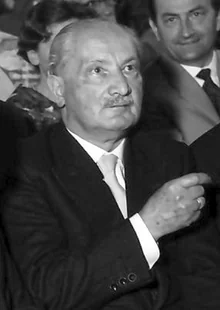
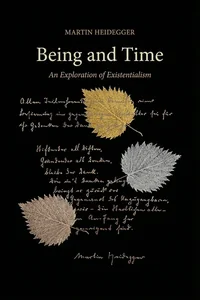
Martin Heidegger was born in Meßkirch, Germany, on 26 September 1889, and died on 26 May 1976. He studied under Edmund Husserl at Freiburg and later taught philosophy at the universities of Marburg and Freiburg. In Being and Time, he introduced the idea of Dasein, meaning "being-there", to describe human existence. He used it to revive what he called the question of being. His later work turned to technology, language, art and poetry, and his other writings include Introduction to Metaphysics and The Question Concerning Technology. Heidegger was elected rector of the University of Freiburg in April 1933 and joined the Nazi Party, remaining a member until 1945. Scholars still debate how far his politics connect to his philosophy. A teaching ban placed on him after the war was lifted in 1949.