Break the Insomnia Cycle
Stop dreading bedtime and start trusting your body again
For anyone who lies awake watching the clock and finds that worry about sleep makes sleep worse. This path uses cognitive behavioral therapy, behavioral science and mind-body practices to break the thought patterns and habits that keep you awake.
Explore the first book →← All paths for this goal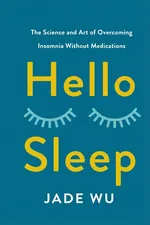
Your reading order
6 books- 1
Start with Jade Wu's kind reframe: insomnia is not a disease you have but a pattern you have learned. Her gentle, CBT-informed approach helps you stop fighting sleep and start trusting your own body again.
- 2
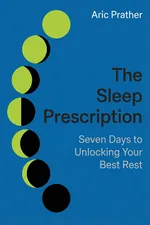
Dr. Aric Prather's seven-day behavioral plan gives you a structured reset. Its concrete daily actions retune your body's natural sleep drive and break the loop between anxiety and insomnia that Hello Sleep introduced.
- 3
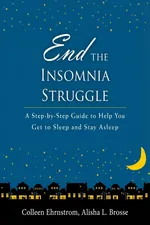
Now go deeper into CBT-I, the most evidence-based treatment for chronic insomnia, with Colleen Ehrnstrom's clinical workbook approach. After Prather's overview, this gives you the full set of therapy tools to change long-standing sleep problems.
- 4
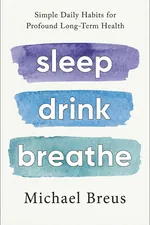
Michael Breus widens the focus. Sleep does not exist on its own, and working on your hydration and breathing along with your sleep habits can speed recovery from insomnia in ways CBT alone often can't.
- 5
Yoga offers what cognitive therapy sometimes can't: a physical way out of hyperarousal (a body stuck on high alert). Mark Stephens' sequences and breathing practices calm the nervous system before bed, so the changes from CBT-I stick faster.
- 6
Yoga Nidra takes the body-based approach further, guiding you into the space between waking and sleep. Research shows this practice reduces cortisol and trains your nervous system to let go into rest instead of resisting it.