The Strategic Procrastinator: Systems for Busy Knowledge Workers
Work smarter on the tasks that matter most
For experienced professionals who get a lot done but still put off their most important, high-stakes work. This path combines practical techniques, mental tools, time strategy and simple systems to close the gap between being busy and being effective.
Explore the first book →← All paths for this goal
Your reading order
7 books- 1
Start with an honest question: are you really fine, or are you settling? Mel Robbins names the stuck feeling that hides behind being busy and gives you the push to go after work that matters.
- 2
Once you feel that push, treat putting things off as a problem you can solve. Zahariades offers 21 techniques, a menu of practical fixes knowledge workers can use in real work situations.
- 3
Techniques only help if you can face the task. Stutz and Michels give you five short mental exercises for the exact moment you stall: facing work you dread, quieting worry, and finding the will to begin when you would rather not.
- 4
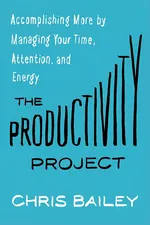
Once the dread is handled, decide where your effort goes. Chris Bailey treats time, attention and energy as one budget, using three daily goals and a brain dump to point each day at the work that matters.
- 5
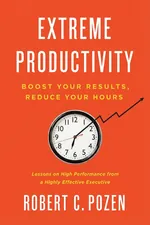
From daily goals to a career's worth of priorities. Robert Pozen shows senior professionals how to judge work by results instead of hours, rank tasks against long-term goals, and handle low-value work quickly so important projects get real time.
- 6
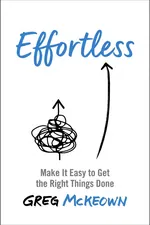
Focusing on results can still turn into a grind. Greg McKeown asks what the easy version of your hardest task looks like, then shows how to take small clear steps, rest on purpose, and build levers that keep paying later.
- 7
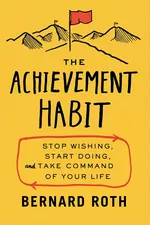
Easy steps only count if you keep taking them. Bernard Roth closes the path with design thinking: stop wishing and start doing, and see yourself as a person who acts, not one who only has goals.