Unlearn to Protect
Heal the roots that made boundaries feel impossible
For wellness seekers who suspect their boundary struggles run deeper, with roots in childhood, family patterns or trauma. This path moves from self-discovery to healing, so boundaries stop feeling like walls and start feeling like wisdom.
Explore the first book →← All paths for this goal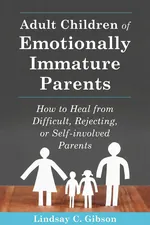

Your reading order
8 books- 1
Begin where it all started: Gibson's well-known book shows how emotionally immature parents teach us to push down our own needs. This is the first insight you need for deep boundary work.
- 2
Building on that family lens, Mellody maps the five core symptoms of codependence that grow from childhood wounds, giving you a clear way to recognize your own patterns.
- 3
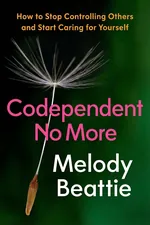
With that foundation, Beattie's classic shows you how to stop managing everyone else's emotions and start detaching with love. This is a turning point in taking back your own life.
- 4
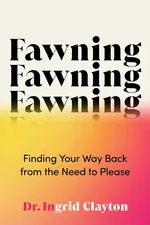
Next, look at fawning (a trauma response that looks like kindness) and learn body-based, or somatic, strategies to stop shrinking yourself around other people.
- 5
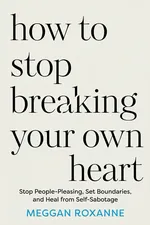
Taking that further, Roxanne connects old wounds to present-day self-sabotage, offering a warm, practical plan to trust your instincts and stop breaking your own heart.
- 6
With healing underway, this book introduces self-differentiation: staying emotionally connected to others without losing yourself. It is the mature boundary skill that lasts a lifetime.
- 7
Glatzel reframes neediness as wisdom, helping you honor what you truly need. This is the final shift from self-neglect to self-respect, so boundaries feel natural, not selfish.
- 8
Close with Doyle's fierce memoir-manifesto, a reminder that reclaiming your instincts and desires is more than healing: it is the whole point.