Zero to Launch: Your First Business in 90 Days
Stop planning, start building: your first paying customer is closer than you think.
For first-time founders who have an idea but don't know where to start. This path takes you from a rough idea to a tested business that earns money, using lean, low-risk methods that work especially well in Southeast Asia's fast-moving markets.
Explore the first book →← All paths for this goal
Your reading order
8 books- 1
Start here: Noah Kagan's 48-hour challenge breaks the myth that starting a business takes months. It shows you how to test any idea and find your first customer before you spend a single dollar.
- 2
Now that you know you can test an idea with almost nothing, Guillebeau shows dozens of real people who built profitable microbusinesses from their passions and skills. Their stories give you a picture of what your own business could look like.
- 3
With your idea taking shape, Running Lean gives you a strict system to test your riskiest assumptions fast, so you build something customers actually want, not what you imagine they want.
- 4
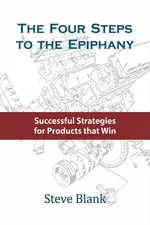
Blank's Customer Development method is the foundation behind lean validation. Now you go deeper: you learn to talk to customers in a structured way and use their feedback to find true product-market fit.
- 5
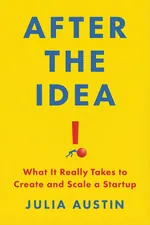
Once you've validated your idea, Julia Austin helps you handle the human side of early-stage building: defining success, putting together your first team, and making the strategic decisions that shape your company from the start.
- 6
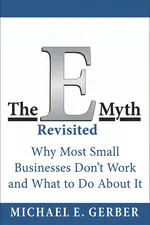
As your company takes shape, make a key mindset shift. Gerber shows why technical experts so often fail as business owners and how to build systems that run without you. Read it before you get stuck working in your business instead of on it.
- 7
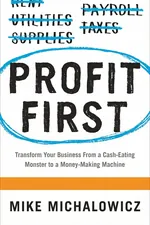
With your business running, cash flow becomes a matter of survival. Profit First turns standard accounting upside down and gives you a behavioral system to make your business profitable from day one, not someday.
- 8
Profit First keeps your cash in order. This book keeps your nerve. Guy Raz's founder stories show that well-known companies started messy and uncertain, and that the founders who made it were the ones who kept going.