Heal What Hurt You
Trace your wounds back to their roots, then learn to let them go
For readers who sense that past experiences, family patterns or childhood pain are quietly running their adult life. This path moves from understanding where emotional wounds come from to actively healing them through the body, the mind and self-compassion.
Explore the first book →← All paths for this goal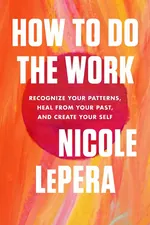
Your reading order
8 books- 1
Nicole LePera's guide is the right place to start. It shows how childhood conditioning and physical health work together to create the patterns that keep us stuck.
- 2
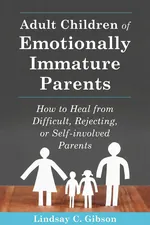
Building on LePera's foundation, Lindsay Gibson helps you see the specific impact of emotionally immature parents, giving words to pain you may never have been able to name before.
- 3
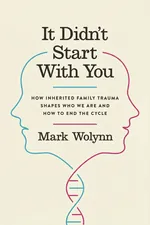
Now zoom out further. Mark Wolynn shows how anxiety and emotional pain can be inherited across generations, helping you understand that some struggles truly didn't start with you.
- 4
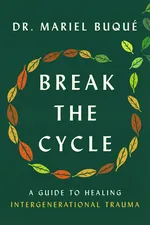
With these generational patterns now visible, Dr. Mariel Buqué gives a practical plan for breaking inherited family trauma so it stops passing down to you and the people you love.
- 5
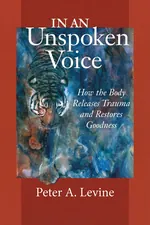
Breaking old patterns also means working with the body, because trauma lives there as much as in the mind. Peter Levine's somatic approach teaches you to listen to physical sensations as a way to release stored stress and emotional pain.
- 6
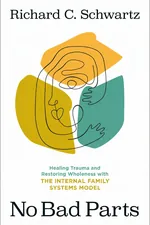
From the body, turn to your inner world. Richard Schwartz's Internal Family Systems model treats your inner conflicts as wounded 'parts' that need compassion, not suppression, a clear shift toward healing yourself.
- 7
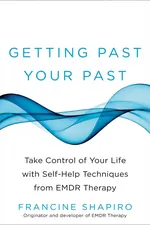
Next, Francine Shapiro introduces EMDR-based techniques to help you process unresolved memories that still drive your emotions and behavior today, offering a path to real resolution.
- 8
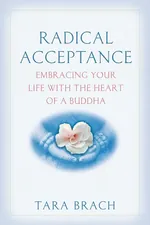
Tara Brach closes the path with radical acceptance. She teaches you to hold your wounds with mindfulness and compassion rather than shame, so healing becomes a practice of loving yourself whole.