Honest Conversations, Lasting Trust
Say the hard things and bring people closer for it
For team leads who avoid difficult conversations, or whose teams suffer from unspoken tension and low psychological safety. This path builds your ability to speak with radical transparency and shows how honest communication is the fastest route to deep, lasting trust.
Explore the first book →← All paths for this goal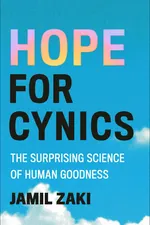
Your reading order
7 books- 1
Start by understanding the problem. Zaki's research on cynicism shows why distrust spreads so easily in teams and why a hopeful, evidence-based view of people is both smarter and more effective.
- 2
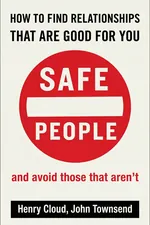
Before you can build trust, you need to know who is safe to trust. Cloud's framework helps you spot trustworthy people on your team and recognize the patterns that wear down psychological safety.
- 3
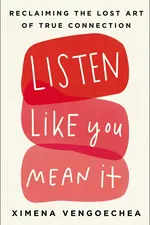
Safety starts with being heard. Vengoechea's empathetic listening tools help you notice what your team members are not saying: the hidden needs that, once acknowledged, open the way to real openness.
- 4
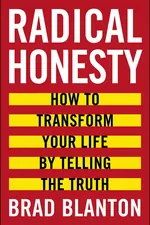
Now go further. Blanton's radical honesty framework challenges you to strip away the polite fictions that quietly poison team trust. This is uncomfortable, and that is exactly the point.
- 5
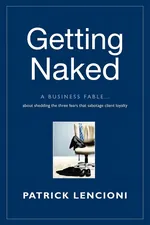
Radical honesty requires vulnerability, and Lencioni shows you how to use it at work. His three fears framework explains why leaders hold back and how letting go of those fears builds strong loyalty.
- 6
After Lencioni's professional view, Palmer's life as a musician turns vulnerability into a way of connecting with people. This book builds your emotional courage and shows that asking for help builds trust and is not a weakness.
- 7
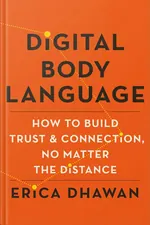
Finally, bring it all into the digital workplace. Dhawan's guide to digital body language helps your honest, vulnerable communication land correctly in messages, emails and video calls, where most team trust is now won or lost.