Ideas That Broke the World Open
The thinkers who changed how we live, and what they offer you
For professionals who want to engage seriously with the ideas in philosophy that shape modern life. This path moves from ancient foundations to radical modern challenges. Along the way you build a personal toolkit of ideas that sharpens your thinking in every area of life.
Explore the first book →← All paths for this goal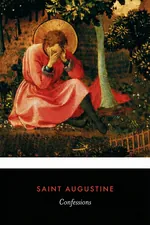
Your reading order
7 books- 1
Start with Augustine's Confessions, read not as a religious text but as the founding document of Western self-reflection. It is the first time a thinker turned the full force of inquiry onto his own inner life.
- 2
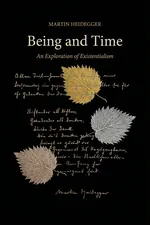
Heidegger picks up where Augustine leaves off. He asks not just who we are but what it means to exist at all, and his idea of being-in-the-world remains one of the strongest challenges to abstract thinking.
- 3
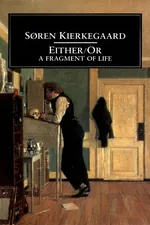
Kierkegaard's Either/Or presents a fork in the road: a life of pleasure or a life of commitment. After Heidegger's study of existence, this choice feels urgently personal and easy to apply to your own life.
- 4
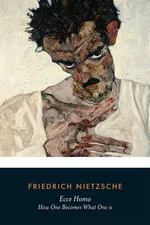
Nietzsche's Ecce Homo is the boldest response to the tradition you have just built. It declares that knowing yourself takes radical honesty and the courage to create your own values.
- 5
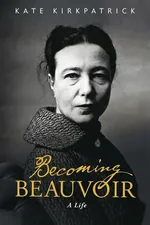
Simone de Beauvoir shows that these philosophical tools were also tools of liberation. Her life and work demonstrate how existentialist ideas can be turned toward concrete questions of freedom and gender.
- 6
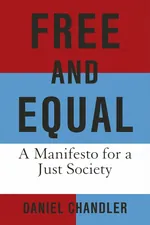
Daniel Chandler applies the philosophy of John Rawls to the modern world, turning abstract ideas about justice into practical plans. It is the ideal bridge from the philosophical tradition to real-world action.
- 7
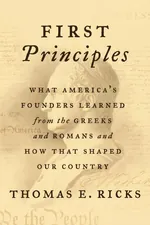
A fitting final step: Thomas Ricks shows how the American founders drew on classical philosophy to build a new nation, proof that big ideas leave their mark on the real world.