The Science of Mind and World
What is reality, and how does your brain build it?
For analytical professionals who want to explore where neuroscience, philosophy and technology meet. This path moves from how consciousness works to the nature of intelligence (both biological and artificial), and leaves you with a richer model of how minds and worlds are made.
Explore the first book →← All paths for this goal
Your reading order
6 books- 1
Begin at the deepest level. Daniel Dennett takes apart the common idea of a single, unified self and argues that consciousness is a narrative trick the brain plays on itself. Unsettling, but essential reading.
- 2
Jeff Hawkins builds on Dennett's challenge to the usual view of consciousness. He proposes a new theory of intelligence (thousands of independent models working in parallel) that changes how we see both neuroscience and AI.
- 3
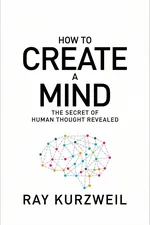
Ray Kurzweil carries the conversation into the future. If the brain is a pattern-recognition machine, what happens when we build machines that do it better? A provocative bridge between biology and technology.
- 4
As a counterweight to Kurzweil's tech-forward view, Daniel Everett describes his time with the Pirahã people, whose language lacks recursion. Their case challenges Chomsky and forces a rethink of what language and thought really are.
- 5
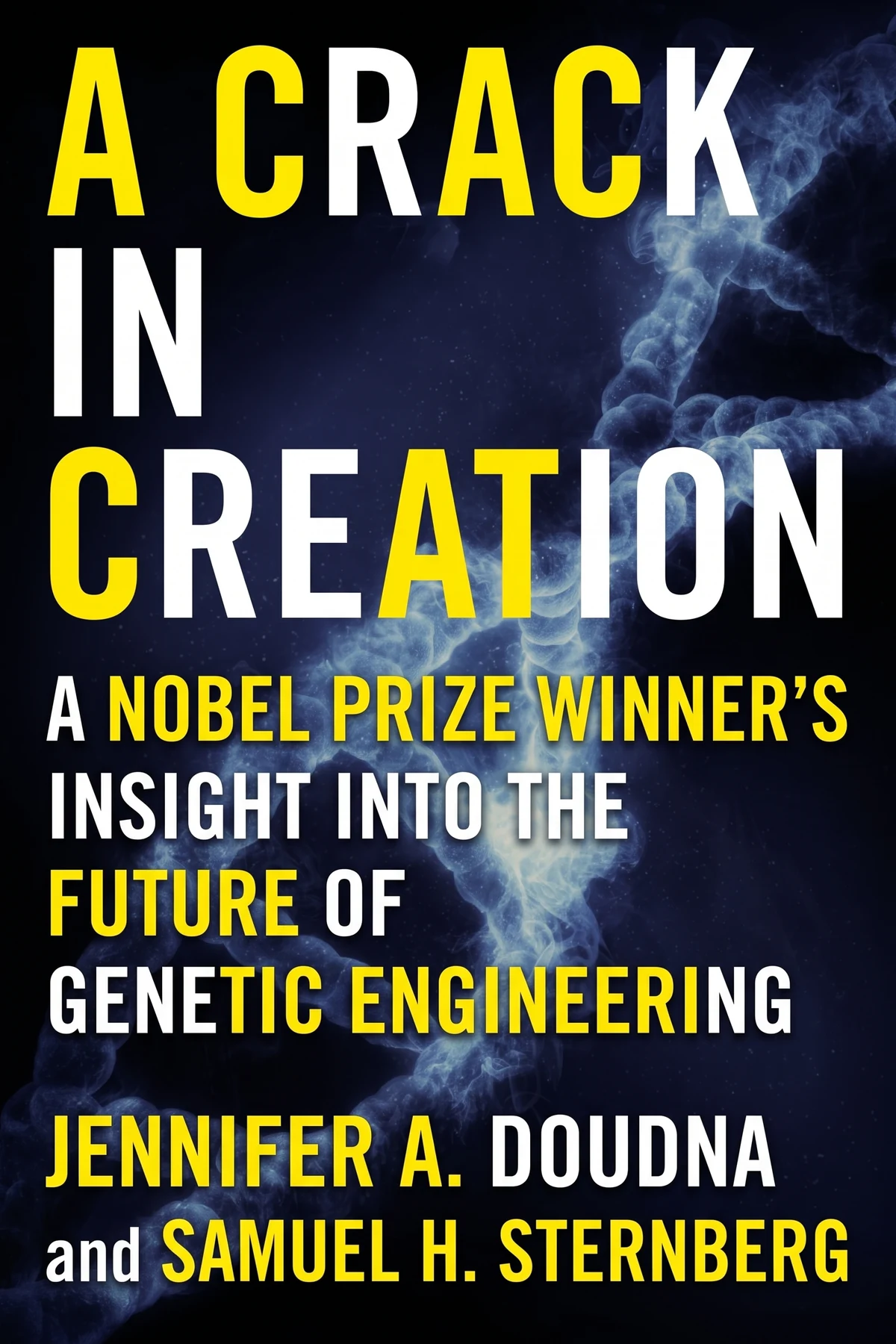
Now that you have seen how minds work, Jennifer Doudna's account of CRISPR asks the next question: what happens when we gain the power to rewrite the code that builds those minds? A thrilling and sobering turn.
- 6
Bill McKibben closes the loop. He asks what it means for humanity when the tools we have built (AI, genetic engineering, climate disruption) begin to move faster than our wisdom to use them.