Lead Through Conflict
Lead your team through conflict and come out stronger
This path is for team leads who handle conflict for their teams and organizations, not only for themselves. It moves from personal courage to team dynamics to guiding whole groups out of deadlock. You build the skills to make conflict a source of growth instead of damage.
Explore the first book →← All paths for this goal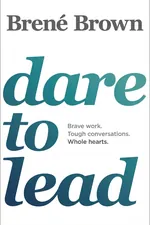


Your reading order
8 books- 1
Leading through conflict starts with vulnerability and courage. Brené Brown presents difficult conversations as acts of care, not confrontation, and gives you the change in mindset that makes everything else possible.
- 2
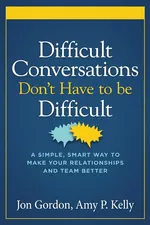
With that mindset in place, this book names the specific psychological traps that keep leaders stuck (avoidance, resentment, passive aggression) and gives a concrete plan to get out of them.
- 3
Spotting the traps of avoidance and resentment is one thing. Staying steady when a dispute heats up is another. This book explains what happens in the brain during conflict and gives practical tactics to stay regulated and curious under pressure.
- 4
With your emotions under control, this six-step framework gives you a repeatable process your team can use to resolve conflict before it grows into something bigger.
- 5
Good leaders do more than react to conflict. Building on that six-step process, this book shows how to set up every working relationship for success from the start, using the Keystone Conversation.
- 6
Not every relationship can be set up well from the start. When agreement is impossible and stakeholders oppose each other, this guide gives leaders in complex organizations a new framework for working together across deep differences.
- 7
Now take your conflict skills to the group level. Adam Kahane's facilitation methods help you guide diverse teams out of gridlock toward real breakthroughs.
- 8
Finish by locking it all in with the five skills of radical collaboration. They help you build team cultures with high trust and low defensiveness, where difficult conversations become normal rather than rare.