Master Investor: Think Like the Legends
Learn hard-won lessons from the world's greatest investors
For serious investors who want to sharpen their thinking by studying the ideas, systems, and failures of the all-time greats. This advanced path shows how legendary investors actually think and what separates them from everyone else.
Explore the first book →← All paths for this goal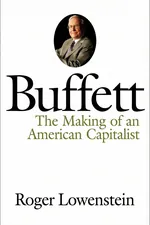
Your reading order
10 books- 1
Start with the man himself. Lowenstein's biography of Buffett traces how his thinking grew, from cheap "cigar-butt" stocks to quality businesses, and gives you the story behind everything that follows.
- 2
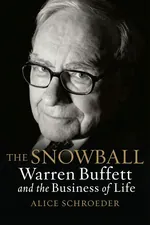
Schroeder's deeper biography shows the obsessive, sometimes lonely mind behind Buffett's success. You need to understand the person behind the ideas before you study his methods on their own.
- 3
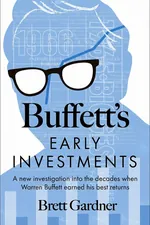
Now study Buffett's early moves in close detail. Gardner's analysis of his first investments shows Buffett's raw analytical thinking before he became a legend. This is the easiest version of his craft to learn from.
- 4
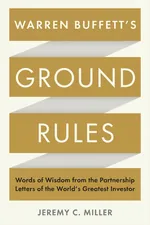
After Gardner's analysis, read Buffett's own words from his partnership letters. They show how he measured results and kept his emotions under control as events happened. Reading this primary source is what separates serious students from casual fans.
- 5
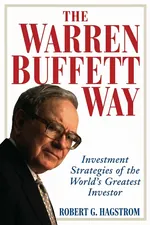
Hagstrom turns Buffett's approach into a framework you can repeat. With the biography and letters behind you, this book shows you how to apply his principles to any business you analyze today.
- 6
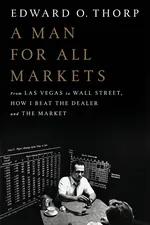
Thorp came at markets from a completely different angle: mathematics and probability. His story shows that Buffett's way is not the only path to mastery, and it adds many new tools to your thinking.
- 7
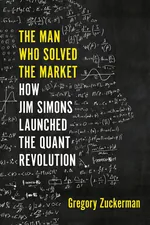
Simons took Thorp's instinct for numbers to its logical extreme. Zuckerman's account of Renaissance Technologies shows how data and algorithms can find and use market inefficiencies in a systematic way.
- 8
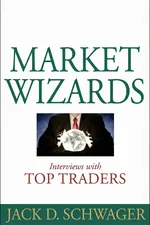
Schwager interviews trading legends of every kind: discretionary and systematic, macro and micro. After studying single philosophies, this book shows the mental traits that all great investors share.
- 9
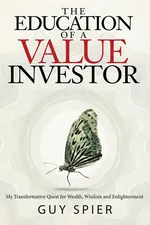
After the traders of Market Wizards, Spier's change from Wall Street shark to principled value investor asks the hardest question: what kind of investor do you actually want to be? This is the path's ethical and reflective final step.
- 10
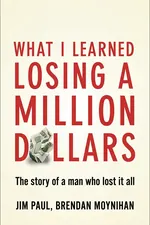
The final book is about losing. Paul's memoir on how he lost a million dollars, and what it taught him about ego and process, is a humility check every master investor should come back to often.