The High-Performance Playbook: Unlock What Your Team Can Really Do
Move your team past functional and into exceptional
For team leads and founders who already have a working team but feel they have hit a ceiling. This path shifts your focus from managing people to multiplying what they can do. You build the culture and systems that separate good teams from exceptional ones.
Explore the first book →← All paths for this goal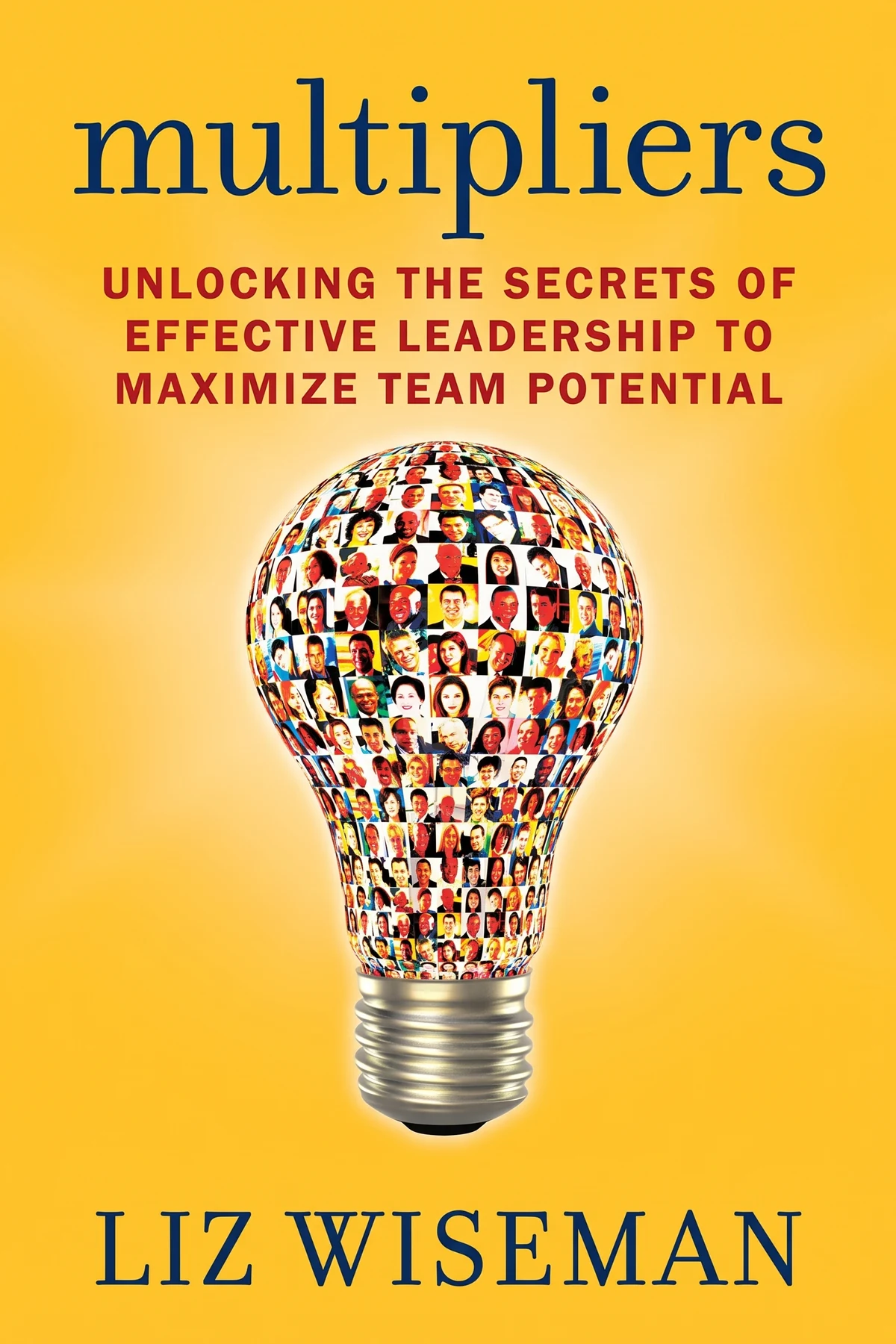
Your reading order
6 books- 1
Begin by checking your own leadership style. Wiseman's research shows that some leaders hold their teams back without meaning to, by keeping decisions and ideas to themselves. This book helps you see if you are the ceiling and how to become a Multiplier instead.
- 2
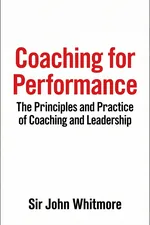
Once you have decided to help others do more, you need a coaching method. Whitmore's GROW model is the standard for performance conversations. It turns your one-on-ones from status updates into sessions that build real skill.
- 3
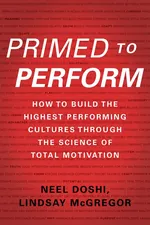
Good coaching conversations build capability one person at a time. Now look at the whole team's motivation. Doshi and McGregor's research on six motives explains why some teams adapt and create while others only comply, and how to design work for the first kind.
- 4
High performance needs productive friction, not harmony. Snow's look at cognitive diversity (people who think in different ways) shows why the best teams treat disagreement and intellectual humility as core working principles, not problems to manage away.
- 5
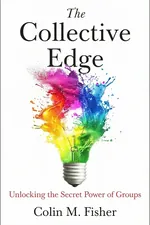
With diversity and motivation in place, this book shows how consistently high-performing groups are built: how to design interactions, roles and rhythms so that collective genius becomes a repeatable result rather than a lucky accident.
- 6
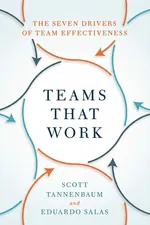
Teams That Work brings decades of team science together into seven key drivers of performance. Use it as your ongoing check: a list that shows exactly which lever to pull when your team falls short in any area.