Raising Resilient, Whole Humans
Give your child the inner tools to handle what life brings.
For parents who want to raise emotionally intelligent, self-reliant children, not just well-behaved ones. This path moves from understanding your own inner world and your child's to building the character traits that help children do well for life. It suits parents of school-age children facing pressure, independence and questions of identity.
Explore the first book →← All paths for this goal
Your reading order
9 books- 1
Begin by looking inward. Siegel's well-known book shows that understanding your own emotional history is the most powerful thing you can do to parent with intention and empathy.
- 2
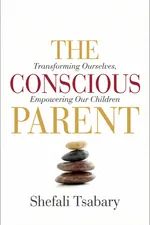
Taking the self-awareness work further, Dr. Shefali challenges you to parent from authenticity rather than ego, making room for your child to be who they truly are.
- 3
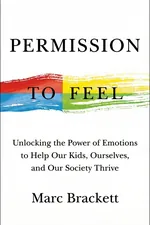
With your own inner world clearer, turn to your child's feelings. Brackett's RULER framework helps you and your child name, understand and make good use of emotions.
- 4
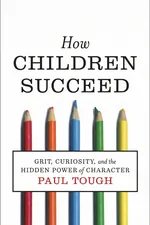
With emotional intelligence in view, this book explains why grit, curiosity and self-control predict success far more than grades or test scores, and how to build them.
- 5
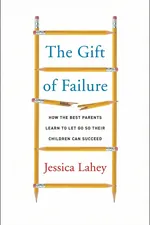
Building on character over achievement, Lahey makes a strong case that letting children fail and struggle is the most loving thing a parent can do.
- 6
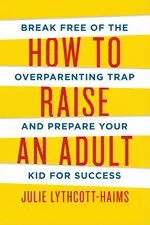
After seeing failure as a gift, take the next step: pull back from over-involvement and give your child the independence they need to become a capable adult.
- 7
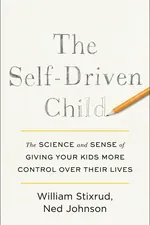
Continuing the move to step back, Stixrud changes your role from director to consultant, showing how giving children a sense of control over their lives greatly reduces stress and builds lasting motivation.
- 8
Bringing the earlier books together, Thrivers names seven character traits (including empathy, self-regulation and integrity) that help children not just succeed but truly flourish.
- 9
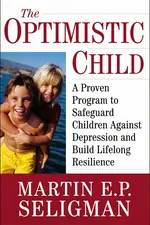
To complete the path, Seligman's research-based framework teaches you how to help children read setbacks in an optimistic way. This is the foundation of lifelong psychological resilience.