The Attention Architect
Reclaim your focus in a world designed to steal it
For knowledge workers who are drowning in email, meetings, and notifications: busy all day but producing little of real value. This path goes deep on attention management and helps you redesign your environment and workflows so your best thinking is protected.
Explore the first book →← All paths for this goal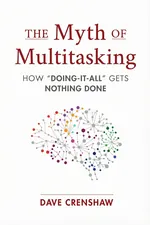

Your reading order
7 books- 1
Start by breaking a comfortable myth: multitasking feels productive but ruins your output. Crenshaw's evidence makes the case that switchtasking is the root cause of most modern overwhelm.
- 2
Now that you know the enemy, Zack gives you the antidote: singletasking. This practical framework trains you to work on one task at a time, which lowers stress and greatly raises the quality of your work.
- 3
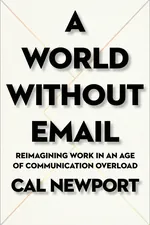
Singletasking is impossible when email runs your day. Newport's radical blueprint for restructuring workplace communication shows what a truly focused workflow looks like at the level of the whole organization.
- 4
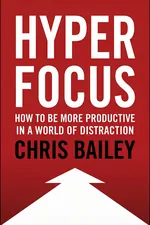
With communication noise reduced, Bailey's Hyperfocus teaches you to direct your attention on purpose. It also shows how planned mind-wandering in "scatterfocus" mode fuels creativity between deep work sessions.
- 5
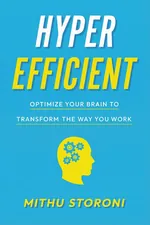
Now go deeper into the neuroscience. Storoni explains your brain's cognitive rhythms (when to do analytical work and when to do creative work), so you stop forcing focus when your brain simply can't deliver it.
- 6
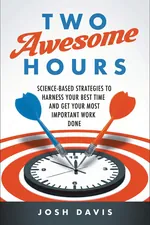
Building on those brain rhythms, Davis shows that you don't need to optimize all eight hours. Aim for just two hours of peak mental performance each day, a realistic target backed by brain science that compounds over time.
- 7
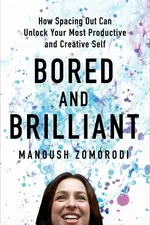
Close the loop with something modern productivity ignores: boredom. Zomorodi shows how disconnecting from digital stimulation leads to the creative breakthroughs that focused work alone can't produce.