The Creative Mind: Deep Roots of Human Imagination
Understand where creativity comes from to grow your own
For curious knowledge workers who want to understand why creativity works the way it does, drawing on neuroscience, psychology, history and philosophy. This path builds deep self-knowledge that makes every other creative technique work better.
Explore the first book →← All paths for this goal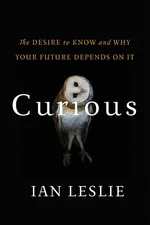

Your reading order
9 books- 1
Start where every idea starts: the urge to know. Curious explains why we seek knowledge, how easy answers can dull that urge, and why the deeper, effortful kind of curiosity feeds creative work over a lifetime.
- 2
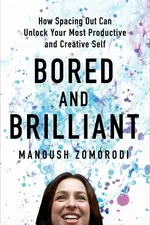
Curiosity needs room to wander, and constant phone stimulation crowds it out. Bored and Brilliant makes the case for boredom as a creative catalyst, showing what an idle mind does with free time and how to win some back.
- 3
Once your mind has room, the next question is how to push it toward its best work. The Art of Impossible maps how motivation, learning, creativity and peak performance build on each other, with the neuroscience behind each step.
- 4
The Art of Impossible looked at one person at their peak; Stealing Fire widens the lens to states of selfless focus. Kotler and Wheal show how soldiers, scientists and founders reach these states, think more creatively in them, and use them safely.
- 5
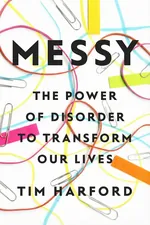
Peak states rarely arrive on schedule, which points to a broader truth. Messy shows how disorder, randomness and unexpected collisions, not tidy plans, are often what drive innovation and original thought.
- 6
Messy praised lucky collisions; Where Good Ideas Come From traces them through history. Steven Johnson shows how breakthroughs grow slowly from parts that already exist, and how conversation, mistakes and open sharing turn hunches into ideas that matter.
- 7
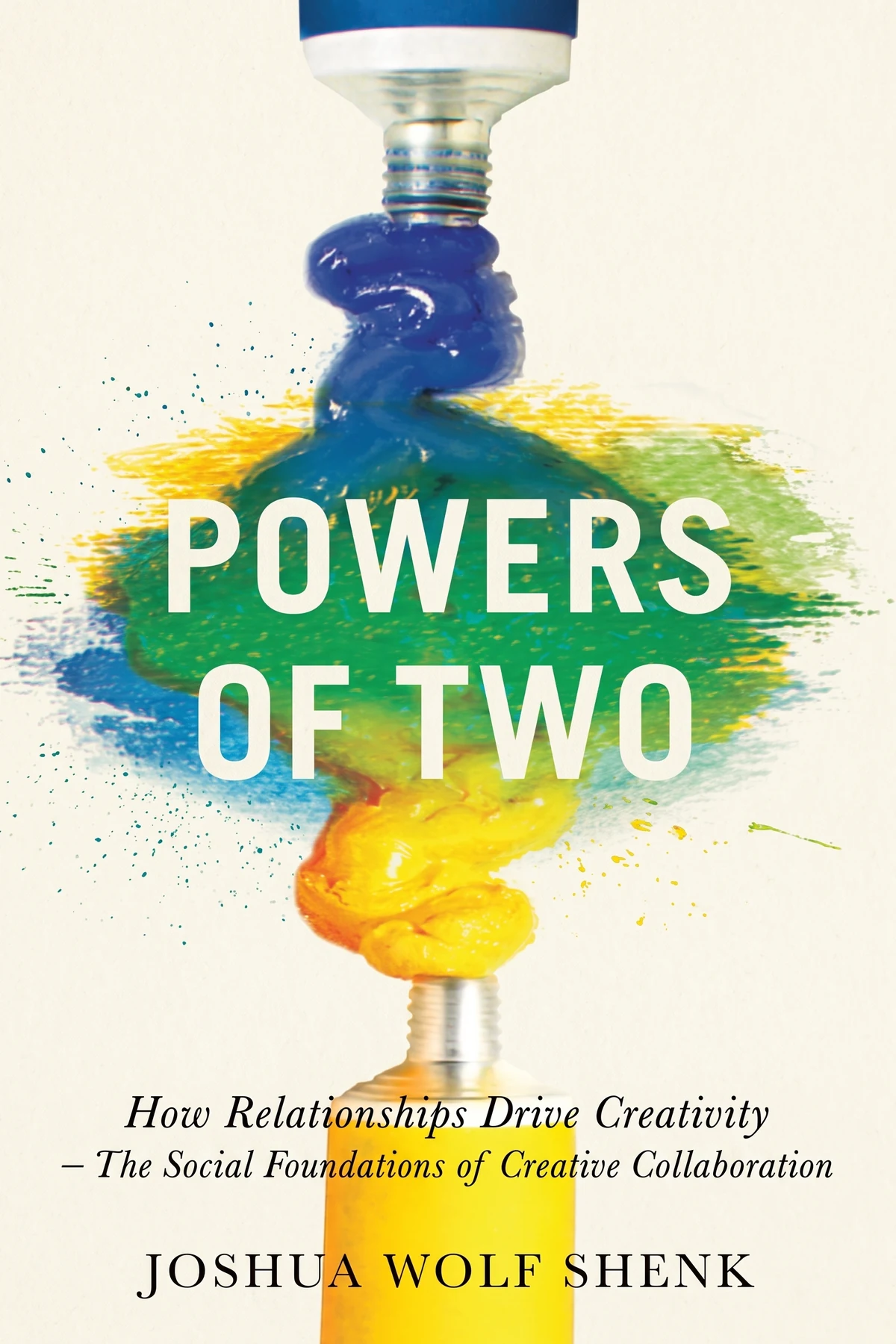
If ideas grow from shared parts and conversation, the lone genius starts to look like a myth. Powers of Two shows how history's great breakthroughs, from Lennon and McCartney to Watson and Crick, came from creative partnerships.
- 8
From creative partners, turn to where your own creativity fits in the future of work. A Whole New Mind argues that right-brain skills (design, empathy, story and play) are becoming the defining professional advantage of our age.
- 9
A Whole New Mind argues that design, story and play now matter at work. The Creative Act closes the path with a working philosophy: Rick Rubin on sharpening attention, guarding what enters your mind, playing with early ideas and finishing work despite fear.