The Fast Learner’s Foundation
Build the mental wiring to learn anything, faster
For knowledge workers and people early in their careers who feel there is too much to learn and too little time. This path builds a solid base in how the brain really learns, then gives you practical tools to use that science right away.
Explore the first book →← All paths for this goal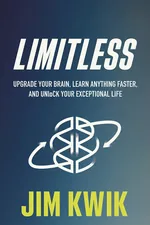
Your reading order
7 books- 1
Start here: Jim Kwik challenges the belief that you are a slow learner. He shows how mindset, motivation, and method are the three levers that free your brain's full capacity, a good reset before you study technique.
- 2
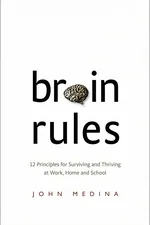
Now that you believe change is possible, John Medina shows the biological rules your brain runs on: why exercise, sleep, and varied sensory input are not luxuries but basic requirements for learning anything well.
- 3
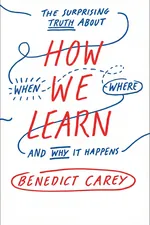
With the brain basics in place, Benedict Carey explains why common study habits (rereading, cramming, always studying in the same place) work against memory, and how spacing out practice and mixing topics fix that.
- 4
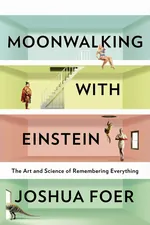
Carey showed how memory works in principle. Joshua Foer shows what it looks like in practice, using the ancient memory palace technique to prove that anyone can build remarkable recall.
- 5
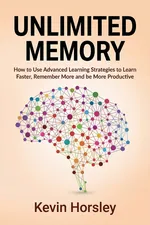
Building on the memory palace idea, Kevin Horsley gives you a complete, portable toolkit (concentration anchors, visualization chains, and strategic storage) that you can apply to any work material today.
- 6
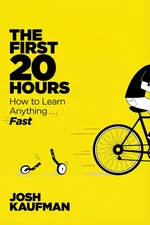
Memory is only half the work. Josh Kaufman's 20-hour method shows how to break any new skill into its smallest learnable parts, so you reach a useful level without years of effort.
- 7
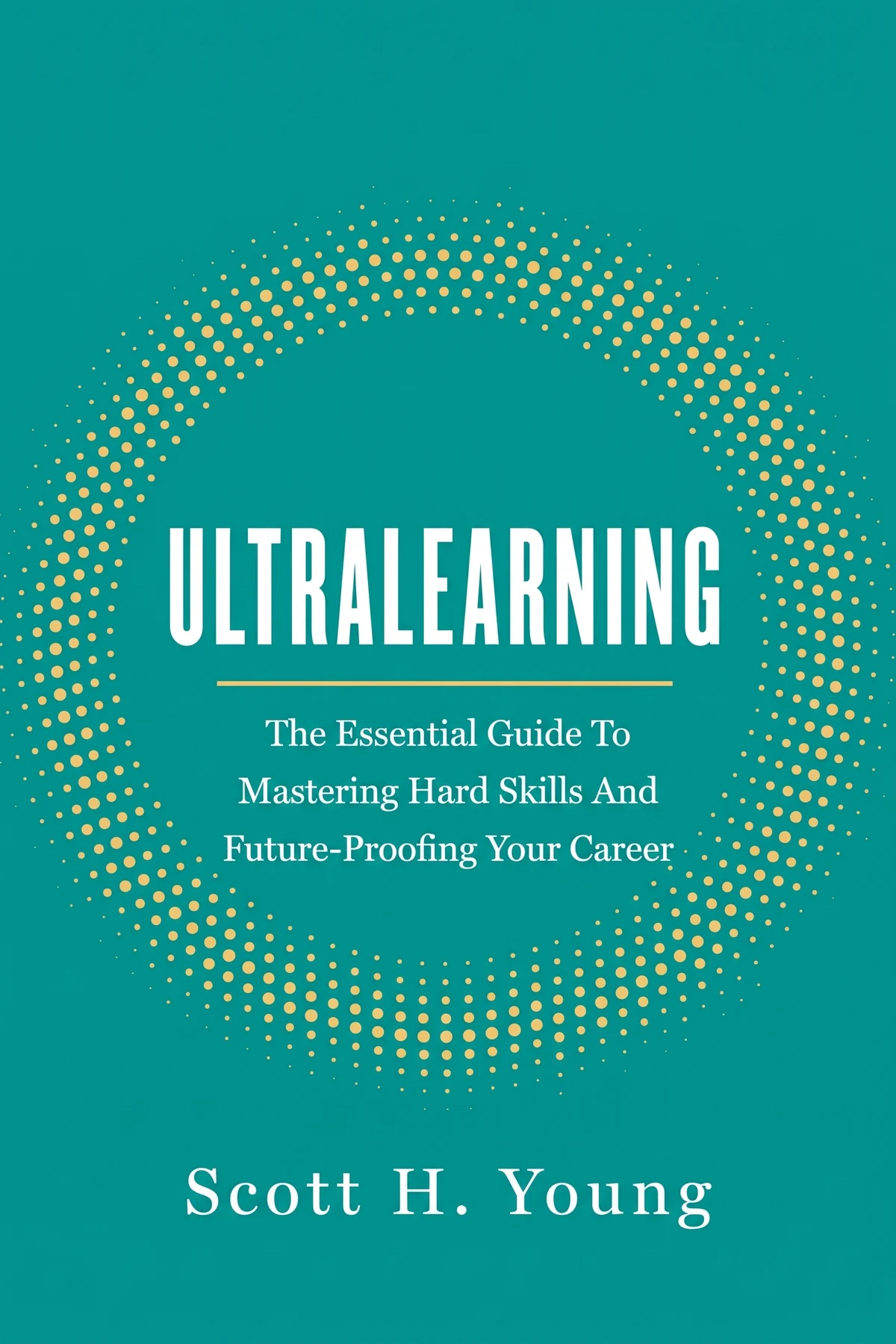
With quick-start skills in hand, Scott Young's ultralearning principles take you further. He shows how to design intense, self-directed learning sprints that move faster than regular courses.