The Science of Skill Mastery
From curious beginner to confident expert, on purpose
For career switchers and ambitious professionals who want to understand how expertise is really built, not just hacked. This path moves from the neuroscience of practice to the mindset of lifelong mastery.
Explore the first book →← All paths for this goal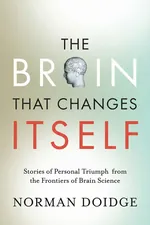
Your reading order
8 books- 1
Start with the most important idea in learning science: your brain is not fixed. Norman Doidge's neuroplasticity research shows that the adult brain rewires itself with every new experience, so mastery is biologically possible at any age.
- 2
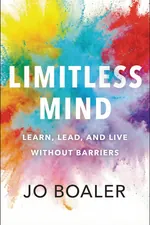
Jo Boaler turns neuroplasticity into a practical manifesto. She takes apart the 'math brain' and 'talent' myths and shows how a growth-oriented approach changes not just what you learn but how fast you learn it.
- 3
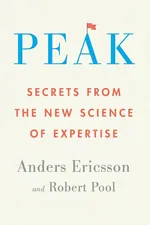
Now that you understand the growth mindset, Anders Ericsson gives it scientific backing. Deliberate practice is the specific way neuroplasticity produces expertise, and it looks very different from 'just practicing.'
- 4
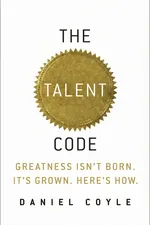
Daniel Coyle adds the biology behind Ericsson's findings. Myelin, the insulating layer that wraps every repeated skill circuit, is the physical substance of mastery, and deep practice makes it grow.
- 5
Now that you know why deliberate practice works, Scott Young shows exactly how to structure it in any field. He combines seeing, doing and feedback into one model of improvement.
- 6
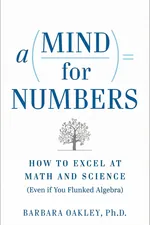
Barbara Oakley zooms in on one specific challenge: learning hard, abstract material. Her focused and diffuse modes give you a mental model for when to push hard and when to let your brain consolidate in the background.
- 7
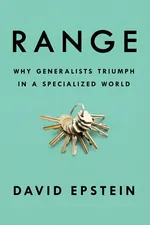
After so much focus on deliberate practice, David Epstein offers the needed counterbalance: why sampling broadly before specializing produces more adaptable, creative experts than early, narrow focus alone.
- 8
Robert Greene closes this path with the long game: how apprenticeship, mentorship and creative rebellion combine into a lifelong process of mastery that goes far beyond any single skill or sprint.