Quiet Confidence, Loud Impact
Build real connections without pretending to be someone you're not
For introverted or reserved young professionals who feel drained by the usual networking advice. This path shows you how to use your natural strengths (depth, listening and careful thought) to build a strong social presence on your own terms.
Explore the first book →← All paths for this goal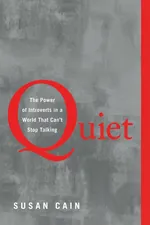

Your reading order
10 books- 1
Start by seeing yourself in a new way. Cain's landmark book shows introversion as a real strength and breaks the myth that you need to be loud to be influential.
- 2
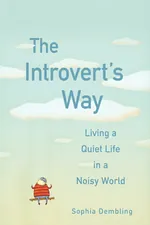
Now get practical. Dembling gives you specific ways to set boundaries, save your energy and thrive socially without burning out or pretending to be extroverted.
- 3
Confidence is not about volume. Rezvani shows you how to project self-assurance without faking it at work, from networking events to high-stakes meetings, even when anxiety kicks in.
- 4
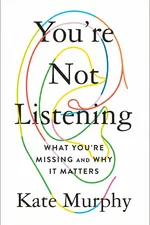
Your biggest strength as a quieter person is listening. Murphy shows you how to turn it into a quality that makes people feel seen and keeps them coming back to you.
- 5
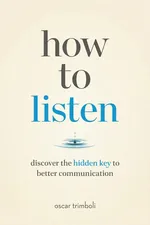
Take your listening further with Trimboli's framework for hearing what lies beneath the words. This skill quietly makes you one of the most trusted people in any room.
- 6
With strong listening skills, you are ready to build real friendships. Franco's science-backed approach shows that active, steady effort (not luck) creates the deep connections you want.
- 7
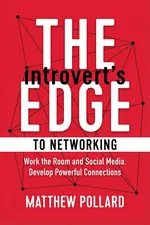
From friendships to work: Pollard's system is built for introverts. It gives you a planned, repeatable approach to networking that plays to your strengths instead of forcing you into a tiring extrovert act.
- 8
Next, look at the hidden structure of your social network. King's research shows that introverts who network with depth over breadth often have more valuable connections than people who network widely.
- 9
One social skill introverts often overlook is humor. Aaker and Bagdonas show how well-placed humor builds trust and warmth faster than almost any other tool, and it does not require being loud.
- 10
Finally, turn your love of depth into a strength for hosting meaningful gatherings. Parker's framework helps you plan small, close events that build the connections usual networking never could.