Read the Room, Own the Room
Read people faster and influence every interaction
For young professionals who know the basics and now want a strategic edge: understanding what people really think, feel and want before they say it. This path sharpens your social intelligence so you can handle office politics, different personalities and high-stakes conversations with confidence.
Explore the first book →← All paths for this goal
Your reading order
10 books- 1
Start with the brain science. Goleman shows that social intelligence is a distinct skill, rooted in our biology, that you can learn. This turns social effort into brain training, not performance.
- 2
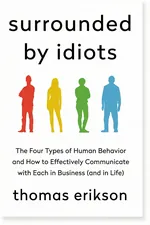
Building on social intelligence, Erikson's four-color personality system gives you a framework you can use right away to see how different colleagues and clients think and communicate.
- 3
Go deeper than color types. King adds body language, micro-expressions and emotional cues so you can read people accurately even when they are not telling you the full story.
- 4
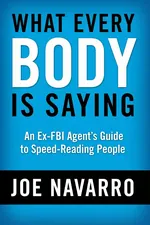
After King's broad set of cues, former FBI agent Navarro focuses on the body's subconscious signals alone, giving you a field guide to spot deception, discomfort and real enthusiasm as they happen.
- 5
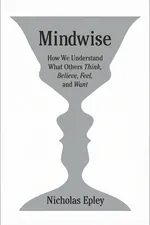
Now question your own assumptions. Epley shows how badly we misread others and offers evidence-based fixes to close the gap between what you think you see and what is really there.
- 6
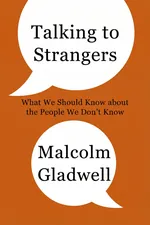
Gladwell extends Epley's warning. His look at why we misjudge strangers is a crucial reality check, especially in multicultural Southeast Asian workplaces where context and saving face matter a great deal.
- 7
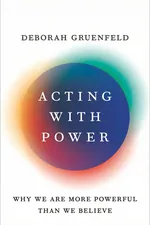
With sharper perception in place, Gruenfeld shows you how to move through social hierarchies with strategy, balancing authority and warmth to build trust at every level of an organization.
- 8
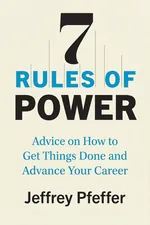
After Gruenfeld's balance of authority and warmth, Pfeffer's unsentimental guide to workplace power adds the strategic layer: how to build influence, project authority and turn your growing network into real career leverage.
- 9
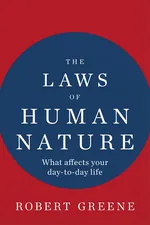
Greene's masterwork ties it all together, showing how to use your understanding of human nature to handle social dynamics with wisdom, patience and long-term strategic thinking.
- 10
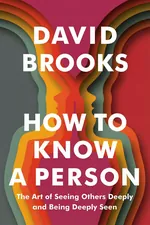
End here as a counterweight to strategy. Brooks reminds you that the deepest influence comes from truly seeing people, not just reading them, which makes real understanding your strongest edge.