Read the Room
Lead with empathy before you lead with authority.
For team leads who want to move from managing tasks to understanding people. This path builds the social and emotional awareness that separates good managers from leaders their teams trust.
Explore the first book →← All paths for this goal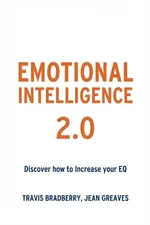
Your reading order
9 books- 1
The best place for any leader to start. Bradberry's four-part model (self-awareness, self-management, social awareness and relationship management) shows you clearly where your emotional intelligence gaps are.
- 2
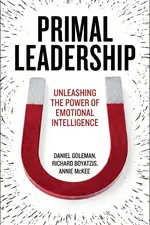
Now step back to see why a leader's emotions spread. In Primal Leadership, Goleman shows how your mood passes through your team's nervous systems, which makes managing your own emotions a business need.
- 3
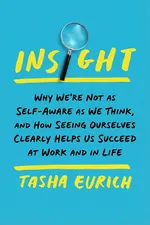
With the case for leadership made, face a hard truth: most of us think we are more self-aware than we are. Eurich's research-based guide helps you close the gap between how you see yourself and how others see you.
- 4
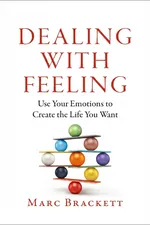
Self-awareness alone is not enough. You need a system, and Brackett's RULER framework gives you and your team a shared language for emotions, turning vague feelings into useful data that improves every interaction.
- 5
Once you can name what you and others feel, put it to work in conversation. Duhigg shows that most talks are practical, emotional or social, and that people connect when you match the kind of conversation the other person is having.
- 6
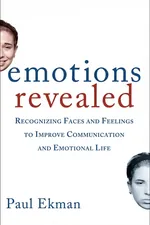
Add a nonverbal layer to your conversation skills. Ekman's work on facial expressions teaches you to read the brief emotions your team members show (and hide), giving you information no survey will capture.
- 7
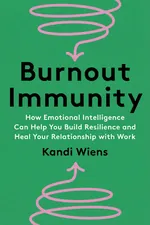
Spotting strain on a colleague's face matters most when it is an early sign of burnout. Wiens shows how self-awareness and steady emotional habits build resistance to chronic stress, for you and for the people you manage.
- 8
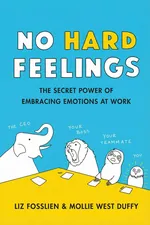
After guarding against burnout, challenge the unspoken rule that feelings do not belong at work. Fosslien's guide to showing emotion on the job gives you and your team permission to be human, and a framework for doing it well.
- 9
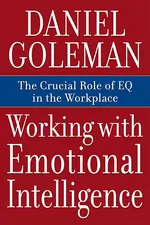
Close with Goleman's book on emotional intelligence at work. It ties the path together, showing how the skills you have built lead directly to higher performance, stronger teams and lasting influence.