Strategic Decisions for Team Leads
Upgrade how your team thinks, chooses, and commits
For team leads and managers who make decisions with and for other people, not only for themselves. You learn to spot group decision traps, solve problems with a clear structure, and use the leadership behaviors that lead to better team choices.
Explore the first book →← All paths for this goal
Your reading order
9 books- 1
Start with Dalio's operating system for decision-making in organizations. His principles of radical transparency and systematic thinking build the culture that the rest of this path depends on.
- 2
Dalio gives you a philosophy; Conn and McLean give you a method. Their seven-step problem-solving framework, tested at McKinsey, gives your team a clear structure for breaking down any complex challenge.
- 3
Now that you have a problem-solving structure, De Bono's Six Hats gives your team a shared language for separating facts, emotions, risks, and creative ideas. This helps prevent the groupthink that kills good decisions.
- 4
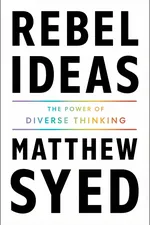
Six Hats reduces groupthink in the room; Syed's research on cognitive diversity shows why you also need to rethink who is in the room. Diverse ways of thinking, not only diverse demographics, are what solve hard problems.
- 5
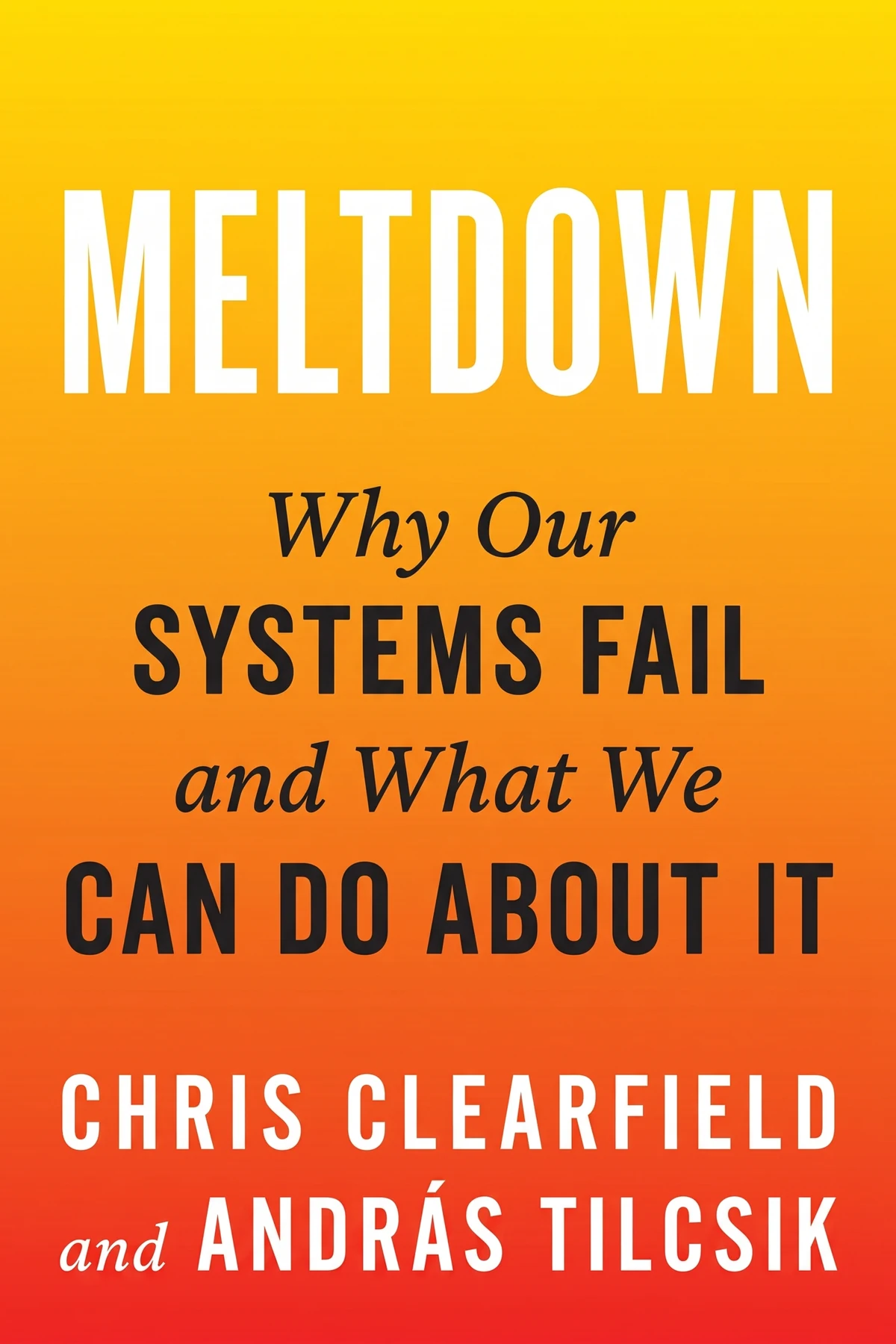
With a diverse team in place, you now need to understand how whole systems fail. Clearfield and Tilcsik show how complexity and tight coupling create disastrous errors, and how better communication prevents them.
- 6
Meltdown showed how systems fail; Red Team shows how to test them under pressure before they do. Zenko's guide to adversarial thinking teaches leaders to challenge their own strategies before reality does.
- 7
Even with red-teaming, failures will happen. Syed's Black Box Thinking changes how teams learn from errors, building a feedback culture that turns every mistake into a lesson for better decisions.
- 8
Black Box Thinking requires honest assessment; Distancing gives you the mental technique to achieve it. Marquet shows how stepping outside your own point of view breaks ego-driven bias in real-time decisions.
- 9
Close with Drucker's classic guide to executive effectiveness. After building decision systems for your team, this book shows you how to protect the time and focus you need for the decisions only you can make.