The Razor-Sharp Thinker
See through noise, misinformation, and flawed logic
For professionals who want to sharpen their critical thinking and protect themselves from manipulation, bad data, and their own blind spots. This path trains you to question claims, spot deception, and reason with the care of a scientist.
Explore the first book →← All paths for this goal

Your reading order
9 books- 1
Begin with Levitin's field guide to today's information world. Before you can think clearly, you need a working toolkit for spotting misleading statistics and judging expert claims in everyday life.
- 2
A Field Guide to Lies gave you general principles. Bad Science applies them sharply to one of the fields that matters most (medicine and health research) and shows exactly how data gets manipulated.
- 3
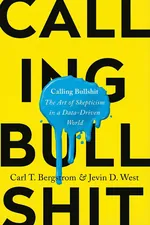
Goldacre focused on science. Bergstrom and West widen the lens to misleading data of every kind, and their academic toolkit for taking apart weak arguments is the most rigorous critical thinking manual on this list.
- 4
You can now spot misinformation that comes from outside. Edmans turns the lens inward and shows how confirmation bias and black-and-white thinking distort even well-meant analysis, including your own.
- 5
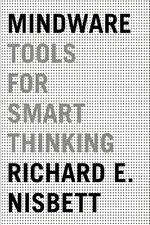
May Contain Lies exposed your biases. Mindware gives you the mental tools to correct them, with Nisbett's guide to statistical reasoning and logical principles giving your analysis a firmer base.
- 6
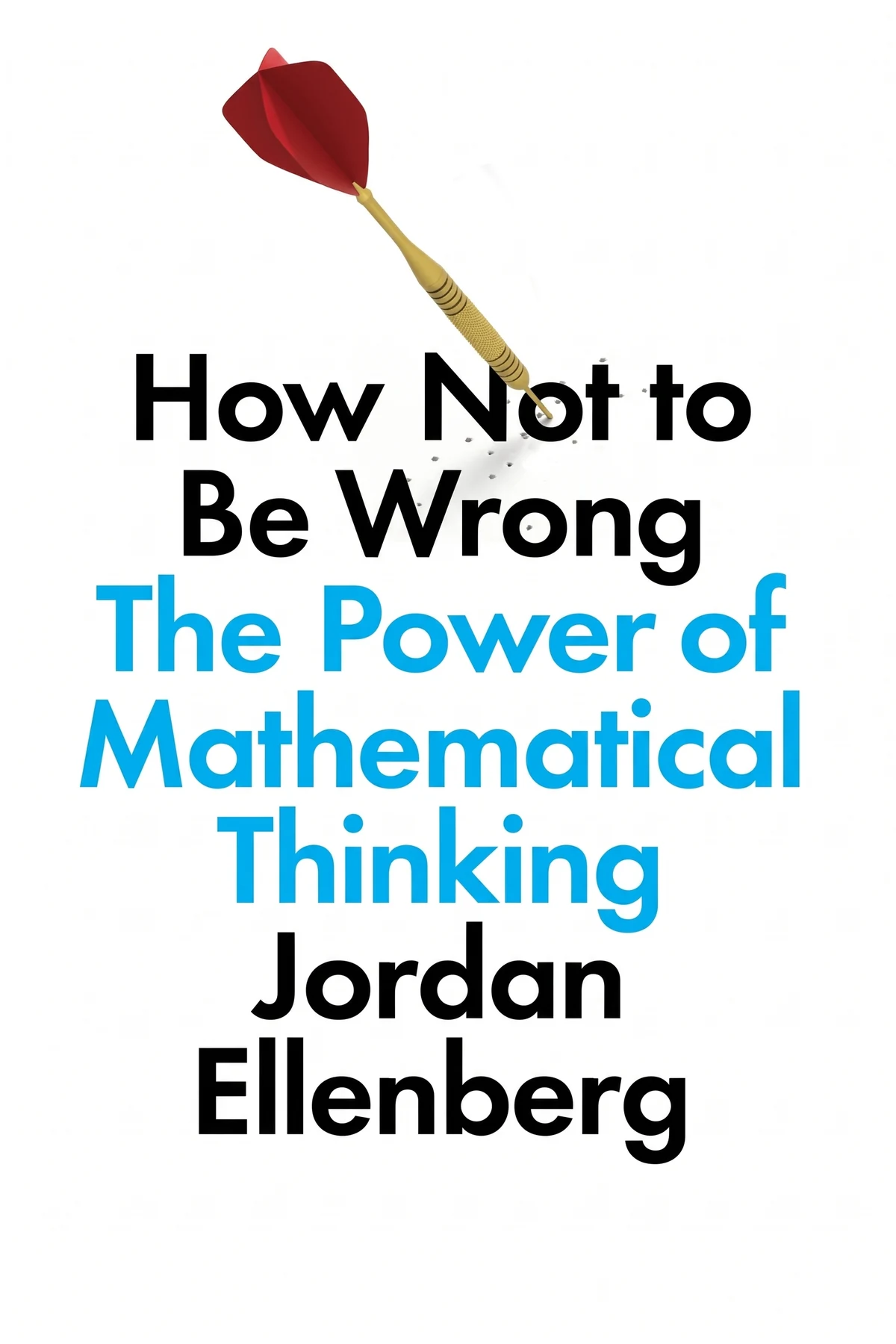
Mindware built your reasoning skills. Ellenberg shows how mathematics extends them, explaining how math prevents common logical errors and giving you a new lens for everyday decisions.
- 7
Sharp reasoning requires knowing the limits of your own knowledge. Fleming's work on metacognition (thinking about your thinking) is the self-checking layer that makes all your other critical skills reliable.
- 8
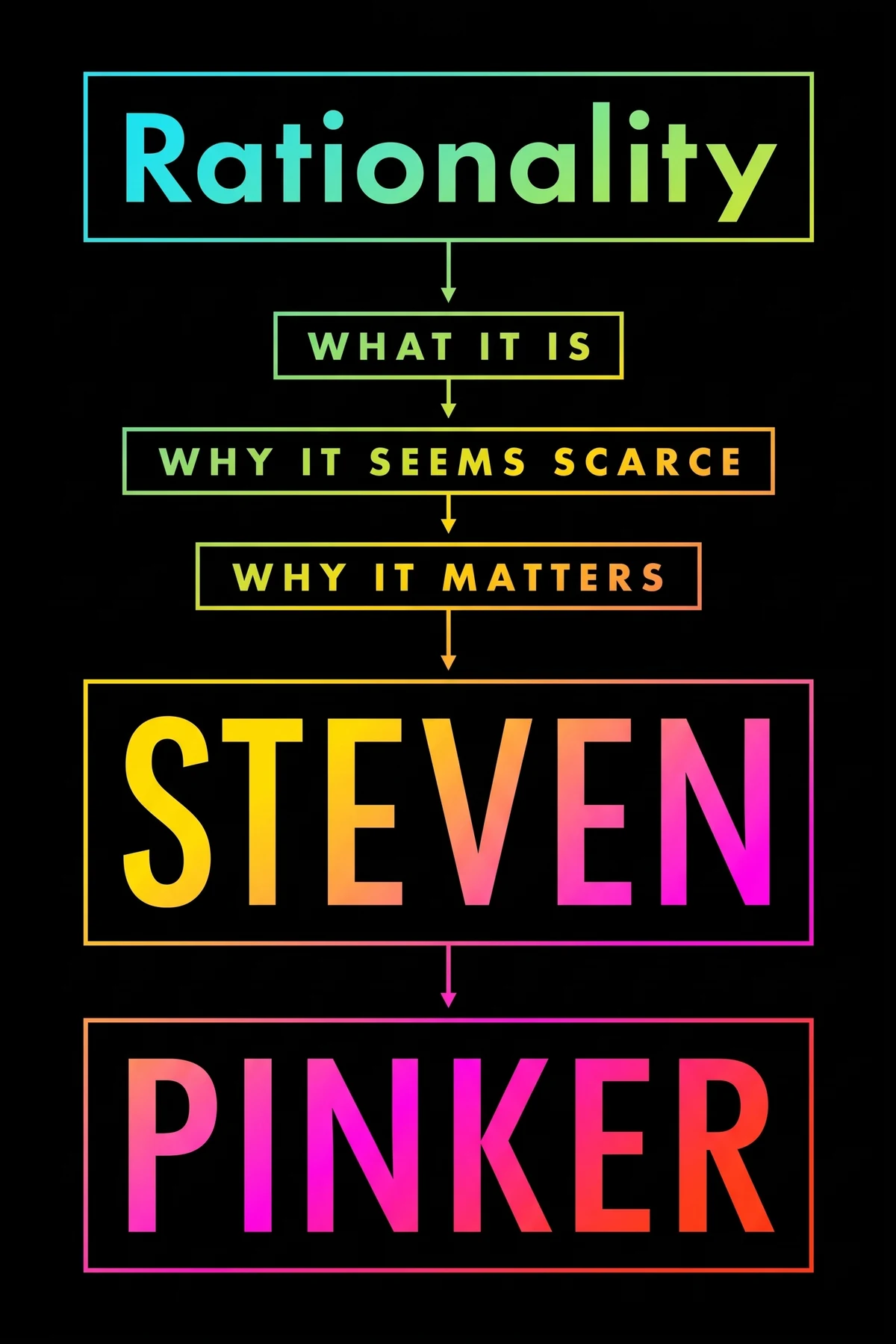
Pinker brings the whole field together: logic, probability, Bayesian reasoning, and game theory. After building your toolkit piece by piece, this book shows how rationality works as one connected system with a purpose.
- 9
Rationality gave you the tools. Framers shows how to use them: Cukier's work on building mental models shows that the frame you choose decides the solution you find. That is the core skill of clear thinkers.