The Team Lead’s Communication Playbook
Lead conversations that build trust, alignment, and real results
For team leads who need to speak with authority, give feedback that people act on, and run meetings worth attending. This path moves from understanding how your team talks and listens to handling the high-stakes conversations that define leadership.
Explore the first book →← All paths for this goal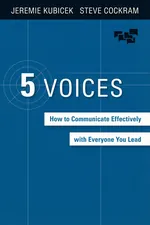
Your reading order
9 books- 1
Before you can lead conversations, you need to understand who is in the room. The 5 Voices framework shows how different personality types speak and listen, so you can meet each person where they are.
- 2
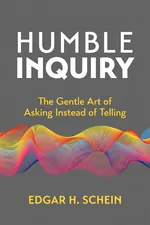
Now that you know your team's voices, Schein's Humble Inquiry teaches you to ask rather than tell. This surprising leadership move builds psychological safety and brings out what people really think.
- 3
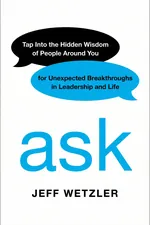
Building on humble inquiry, Wetzler's Ask goes deeper into strategic questioning. It shows you how to close the gap between what people tell you and what they really know or feel.
- 4
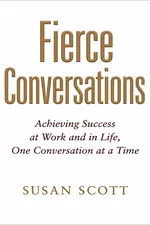
With better questions in hand, Fierce Conversations challenges you to stop having comfortable conversations that avoid the real issues and start having honest ones that move things forward.
- 5
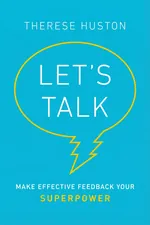
Feedback is the most frequent high-stakes conversation a team lead has. Huston's research-based guide shows you how to fit feedback to each situation so it motivates people instead of deflating them.
- 6
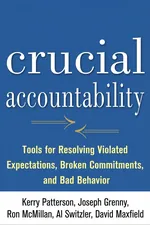
When feedback does not stick, an accountability conversation comes next. Crucial Accountability gives you the tools to address broken commitments without damaging the relationship.
- 7
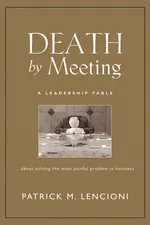
Much of a team lead's influence happens in meetings. Lencioni uses a story to show that meetings can be your most powerful leadership tool, once you stop running them the wrong way.
- 8
Now move from team meetings to one-on-ones. Rogelberg's research shows these are your most valuable leadership moments. Use this book to turn routine check-ins into a steady source of trust and growth.
- 9
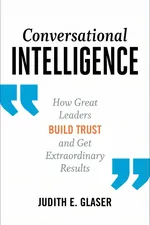
Finally, step back to see how every conversation shapes your team's culture. Glaser's framework, based on neuroscience, shows how your words change brain chemistry and, with it, trust across the organization.