The Science of Presence
Understand your brain, then train your mind.
For analytical professionals who want evidence before they commit. This path grounds mindfulness in neuroscience and psychology, then moves into deeper practice. You will finish knowing not only how to meditate but why it changes your brain and body.
Explore the first book →← All paths for this goal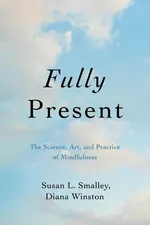
Your reading order
9 books- 1
Start with the science. Susan Smalley's research-based look at what mindfulness does to the brain and body gives you the evidence that every later book builds on.
- 2
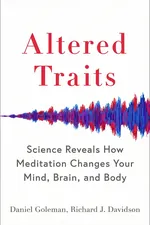
Now look at the long game. Goleman and Davidson's careful research shows which meditation practices create lasting change in the brain and which only bring short-term calm.
- 3
Next, Daniel Siegel introduces 'mindsight' (the brain's ability to observe itself) and shows how this skill regulates emotion and heals trauma in ways that relaxation alone cannot.
- 4
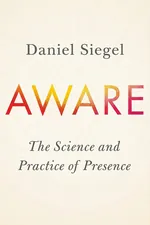
Siegel goes further with his Wheel of Awareness, a concrete neurological model that becomes a daily practice tool for bringing together mind, body and relationships.
- 5
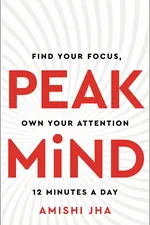
Neuroscientist Amishi Jha gives the most practical science in this path: a 12-minute daily routine, proven in military and corporate studies, that strengthens the three attention systems your brain relies on.
- 6
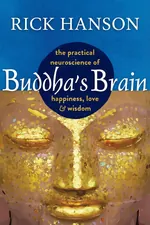
Rick Hanson connects the lab and the meditation cushion. He shows how ancient Buddhist practices map closely onto modern neuroscience, giving you the 'why' behind every meditation instruction you have received.
- 7
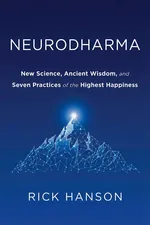
Hanson's deeper book takes you further: seven neural traits, from steadiness to transcendence, that represent the highest levels of human flourishing, with practices for each one.
- 8
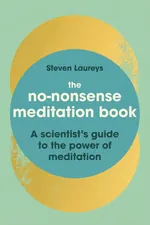
Neurologist Steven Laureys closes the science section with brain scans of meditators. They show physical evidence of change and confirm the value of every hour you have spent practicing.
- 9
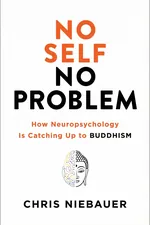
As a final challenge, this book shows that neuroscience and Buddhism agree on something radical: the 'self' your mind keeps protecting is largely a construction, and seeing that changes everything.