Thinking Against the Grain
Challenge the assumptions everyone else takes for granted
For experienced professionals who already think carefully but want to stress-test their worldview against philosophy, contrarian economics and the history of ideas. You will build the skill to question consensus intelligently, without falling into cynicism.
Explore the first book →← All paths for this goal
Your reading order
9 books- 1
Start with the mechanics: Richard Paul's complete framework of intellectual standards gives you a precise vocabulary to critique arguments, including your own.
- 2
Doubt itself has a history. Jennifer Michael Hecht traces how skepticism drove every major intellectual advance, giving you permission and precedent to question what everyone else accepts.
- 3
Descartes' radical method (doubt everything, then rebuild from first principles) is the original framework for independent thinking. Meeting it firsthand strengthens your own intellectual backbone.
- 4
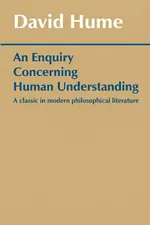
Hume then dismantles Descartes, showing the limits of pure reason and how much of what we call logic is actually habit and association. This productive tension teaches you to hold frameworks lightly.
- 5
Nietzsche takes the critique further, questioning not just arguments but the values built into them. Beyond Good and Evil trains you to see the hidden assumptions beneath any mainstream position.
- 6
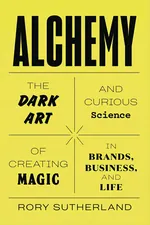
Now apply philosophical contrarianism to business: Rory Sutherland's Alchemy shows how the most powerful solutions often come from embracing irrationality that conventional logic would dismiss.
- 7
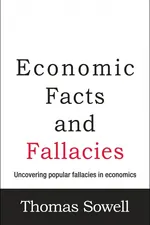
Thomas Sowell applies the same contrarian rigor to economics, taking apart popular myths that feel obvious but produce the opposite of their intended results. It is a clear lesson in second-order thinking.
- 8
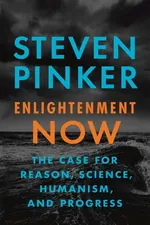
Next, Steven Pinker uses data to challenge the pessimism that often passes for sophisticated thinking. This needed counterweight teaches you to be as skeptical of doom as of hype.
- 9
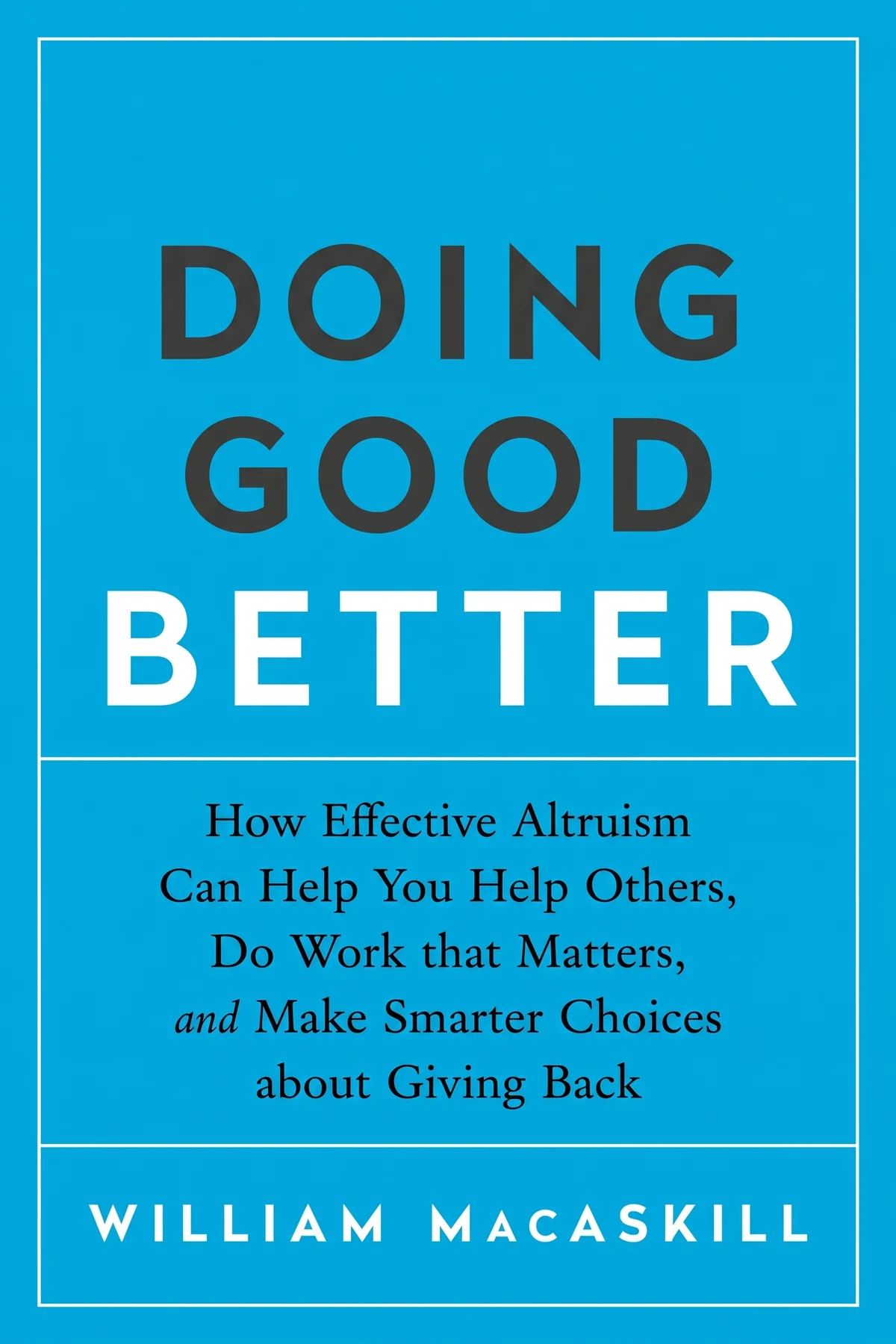
Close the path by applying rigorous reasoning to the question of what actually matters. Effective altruism makes you test your moral intuitions with the same tools you have been applying to facts.