Cutting Through Noise at Scale
Think clearly in a world designed to manipulate you
For knowledge workers facing information overload, misinformation and algorithmic manipulation in Southeast Asia's fast-moving digital world. This path builds the specific defenses you need to think for yourself when social, technological and political systems are working against you.
Explore the first book →← All paths for this goal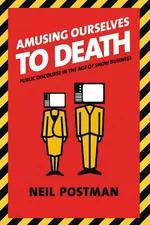


Your reading order
10 books- 1
Neil Postman's far-sighted warning about entertainment pushing out serious thought is the place to start. It names the structural problem that every later book in this path addresses.
- 2
Ben Goldacre shows exactly how that structural problem plays out in science and media: corporations and journalists routinely distort research, and you need specific tools to see through it.
- 3
Now zoom out to the actors behind the distortion: Moises Naim maps the psychology and systems that let modern charlatans thrive, from social media to institutional failure.
- 4
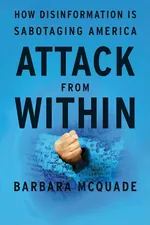
Barbara McQuade goes further, showing how disinformation works as a deliberate weapon (not just commercial noise) and which mental defenses citizens and professionals need to build.
- 5
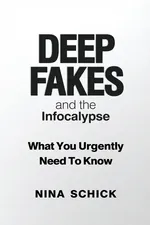
Deepfakes are the newest edge of this threat. Nina Schick explains how AI-generated synthetic media makes it structurally harder to trust any information, which calls for new verification habits.
- 6
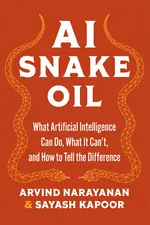
With that threat established, Arvind Narayanan's AI Snake Oil gives you a practical framework for judging AI claims, so you can cut through the hype that now fills every professional conversation.
- 7
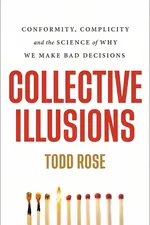
Todd Rose reveals a subtler trap: collective illusions make us publicly support things we privately doubt. Recognizing this pull toward conformity is key to keeping independent judgment in organizations.
- 8
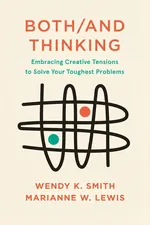
The answer to binary noise is paradoxical thinking. Wendy Smith's Both/And framework teaches you to hold competing truths at the same time, the mental move that separates clear thinkers from reactive ones.
- 9
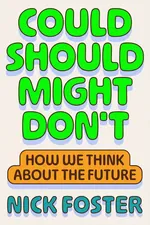
This book's four mindsets (Could, Should, Might, Don't) give you a structured way to map uncertainty and make decisions when the information around you cannot be relied on.
- 10
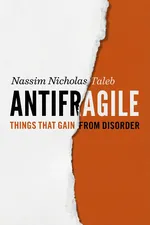
Taleb's Antifragile is the capstone. Rather than just surviving a world of noise and chaos, you learn to build thinking systems and life structures that actually grow stronger because of disorder.