Opens in a new tab

Best Books for New Managers

Thirteen books for your first year as a manager, in the order you will need them.

You were promoted for doing your job well, and now you manage the people who do it, often colleagues who were your peers last month. This list turns the best books for new managers into a reading plan for your first year, written with first-time managers in mind.

The order follows what the job asks of you. Books 1 to 3 cover the shift itself, from doing the work to getting results through other people. Books 4 to 9 are for the conversations of the first month: setting goals, coaching, giving and receiving feedback, the talks you would rather avoid and the relationship with your own boss. Books 10 to 12 help you build the team over your first quarter, and book 13 is for when things settle.

How we chose: every book comes from the BookBits catalog. Before picking, we read the pages that rank for this search and found mostly forum threads and a few short lists, none of them written as a sequence for someone in their first weeks. So we chose books that answer a new manager’s questions in the order they tend to arrive, mixed well-known management classics with newer practical guides, and gave each one a reason to sit where it does.

If you read only one this week, make it The Making of a Manager. Every book links to its audio summary on BookBits, with a free preview, and if you prefer a guided sequence, follow the Your First 90 Days as a Manager path.
13 books, 4h 1m
Explore the first book →
Best Books for New Managers cover

The books

13 books
  1. 1

    Julie Zhuo did not start out as a manager; she became one when her team grew, and she writes for people in the same position. Her central point is that a manager's job is to get better results from a group of people than they would get alone, which changes how you spend every day. She covers building a team, giving feedback, running meetings and growing your influence. It is the best first read after a promotion because it explains the whole job before the other books teach its parts.

  2. 2

    The First-Time Manager

    Loren B. Belker

    Loren B. Belker's guide is a practical reference for the move from top performer to manager. It covers delegation, earning your team's trust, handling different personalities and keeping people motivated, in short sections you can return to when a specific problem comes up. It suits people promoted from inside their team who now supervise former peers. It follows The Making of a Manager because, once you understand what the job is, you need a handbook for the everyday situations it puts in front of you.

  3. 3

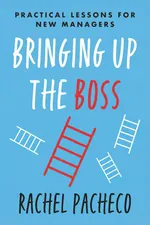
    Bringing Up the Boss

    Rachel Pacheco

    Rachel Pacheco writes for first-time leaders who have to leave individual work behind. Her lessons are concrete: how to give feedback that lands, motivate the people you manage and build a team that holds up under pressure, with a healthy culture around it. It suits managers in growing companies where nobody trained them for the role. It closes the first stage because it moves from the shift itself toward the habits of running a team, preparing you for the conversation books that follow.

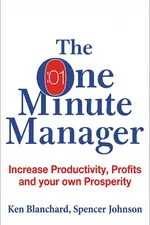
  4. 4

    Ken Blanchard's short classic rests on three habits you can start this week: agree on a few clear goals, notice and praise good work as it happens, and correct problems early and briefly. The book is written as a simple story, so it takes very little time to absorb. It suits busy new managers who need something usable today. It opens the first-month conversations because those three habits give structure to every later talk with your team, from coaching to hard feedback.

  5. 5

    The Coaching Habit

    Michael Bungay Stanier

    Michael Bungay Stanier argues that many managers rush to give advice and end up overworked, with a team that depends on them for every answer. His remedy is a small set of questions and the discipline to stay curious a little longer before offering a solution. It suits managers who feel like the bottleneck for their own team. It follows The One Minute Manager because, once goals are clear, coaching is how your team learns to reach them without you.

  6. 6

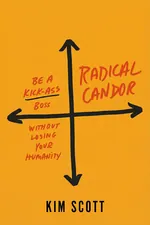
    Kim Scott offers a framework for feedback that is direct without being cruel. The idea is to care personally about the person and challenge them directly at the same time; dropping either side turns honesty into harshness or turns kindness into silence. It suits new managers who soften every criticism until it disappears. It comes after The Coaching Habit because coaching draws out your team's thinking, while this book helps you say clearly what you think, especially when it is unwelcome.

  7. 7

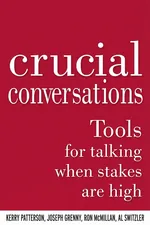
    Crucial Conversations

    Kerry Patterson

    Kerry Patterson and his colleagues tackle the talks you would rather avoid: when stakes are high, opinions differ and emotions run strong. The book shows how to notice when a conversation stops feeling safe, manage your own reactions and keep everyone talking openly instead of going silent or attacking. It suits managers facing a performance problem, a conflict or a tense negotiation. It follows Radical Candor because it adds the tools for the moments when even well-meant feedback turns into a confrontation.

  8. 8

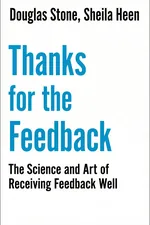
    Managers receive criticism as well as give it. Douglas Stone explains why feedback is so hard to hear, because it can feel wrong, come from someone we do not trust or threaten our sense of who we are, and shows how to take something useful from it even when it is badly delivered. It suits anyone who gets defensive in reviews. It sits after the three books on giving feedback because a manager who takes criticism well makes it easier for the team to do the same.

  9. 9

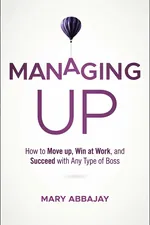
    Managing Up

    Mary Abbajay

    New managers still have a boss, and that relationship shapes what your team can achieve. Mary Abbajay shows how to read your manager's working style and personality, adapt how you communicate and build a relationship that gets your team the support it needs. It suits managers caught between their team's needs and their leader's expectations. It closes the first-month group because, after learning to talk with the people you manage, you need the same skill in the other direction.

  10. 10

    High Output Management

    Andrew S. Grove

    Andrew S. Grove, a former chairman and CEO of Intel, treats management as a production problem: your output is the output of your team, so your job is to choose the activities that raise it most. He offers practical tools for one-on-one meetings, decisions, training and motivation. It suits managers ready to think about their team as a system. It opens the first-quarter stage because, with the conversations in place, you can start designing how the whole team works.

  11. 11

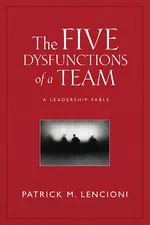
    Patrick M. Lencioni tells a business story about a struggling leadership team to show five patterns that stop groups from working well, starting with a lack of trust and leading to avoided conflict, weak commitment, little accountability and inattention to results. It suits managers whose team gets along on the surface but does not perform. It follows High Output Management because, after the mechanics of output, it shows the human patterns that can quietly undo them.

  12. 12

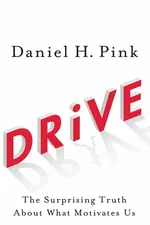
    Drive

    Daniel H. Pink

    Daniel H. Pink argues that rewards and pressure work for simple, routine tasks but often fail for creative and complex work. What drives people there is autonomy, mastery and purpose: some control over how they work, the chance to get better and a reason that matters. It suits managers preparing their first performance reviews or reward decisions. It closes the first-quarter stage because, once the team trusts each other, the question is what keeps people motivated over time.

  13. 13

    Scott Jeffrey Miller sets out six practices for leading a team, centered on one shift: moving your attention from your own performance to the growth of the people you manage. It covers holding regular one-on-ones, building a habit of feedback, setting the team up for results and guiding it through change. It suits first-time and experienced managers alike. It comes last because it works best as a second look once the first months settle, when you can check your habits against what the earlier books taught.

Questions

What is a good management book for beginners?

Start with The Making of a Manager. It explains, in plain language, how the job changes once your results come through other people, and it was written by someone who learned management on the job. If you want a second book, The First-Time Manager works as a practical reference for everyday situations, and The One Minute Manager gives you three habits you can try the same week.

What should new managers do first?

The books on this list point to a few early priorities. Get to know each person on your team and what they need from you, agree on clear goals, and start giving small, regular feedback instead of saving it for reviews. The Making of a Manager and The One Minute Manager cover these first steps, and Managing Up reminds you to build the relationship with your own boss early.

What is the best book for managers?

It depends on where you are. For someone just promoted, The Making of a Manager is the best single book. For a manager who has settled in and wants to think about the team as a system, High Output Management is the classic. If your main struggle is feedback, Radical Candor is the one to read next, followed by Crucial Conversations for the hardest talks.

What are the top 5 leadership books for a new manager?

From this list, five books lean most toward leadership: Radical Candor, The Coaching Habit, High Output Management, The Five Dysfunctions of a Team and Drive. Together they cover feedback, coaching, team output, trust and motivation. For a wider view of leadership beyond your first year, see our separate list of the best leadership books, which is sorted by the problem a leader faces.

Home

Search

Discover

Log in