Opens in a new tab

Best Emotional Intelligence Books

Fourteen books on emotional intelligence, grouped by the skill you want to build, from knowing your own feelings to handling hard conversations.

The best emotional intelligence books do more than explain the idea: they help you practice it. This list is for professionals, students and lifelong learners who want to understand their own feelings, read other people better and stay steady when a conversation gets hard, at work and at home.

The fourteen picks are grouped by the skill you want to build, following the four core skills used in Emotional Intelligence 2.0: knowing your own feelings, managing them, understanding other people and handling relationships. Two foundations come first, Daniel Goleman’s classic and the practical Emotional Intelligence 2.0. Then come three books on self-awareness, three on managing emotions, three on empathy and two on difficult conversations, and the list closes with one book on emotional intelligence at work.

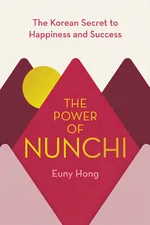
How we chose: we favored psychologists, researchers and experienced practitioners who explain where their advice comes from, and each note says who the author is. One pick looks beyond Western offices: The Power of Nunchi, on the Korean skill of reading the room. We also left out books already on our leadership and new manager lists, such as Dare to Lead and Crucial Conversations, so this list adds new titles rather than repeating them.

Start with the group that matches what you find hardest; there is no need to go in order. Every title links to its 15-minute audio summary on BookBits, with a free preview you can play without an account. For more in the same vein, see the goal to improve emotional intelligence.
14 books, 4h 46m
Explore the first book →
Best Emotional Intelligence Books cover

The books

14 books
  1. 1

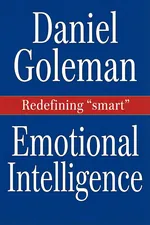
    Psychologist and science journalist Daniel Goleman argues that self-awareness, self-discipline and empathy shape how well we do in work and relationships, and that these skills are not fixed at birth but can be strengthened in adulthood. Start here to understand the idea every other book on this list builds on.

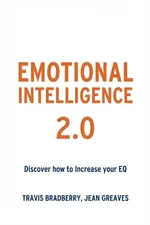
  2. 2

    Travis Bradberry and Jean Greaves, cofounders of the emotional intelligence company TalentSmartEQ, turn the idea into a training plan of 66 short strategies, sorted under four skills: self-awareness, self-management, social awareness and relationship management. It is the most practical first step if you want exercises rather than theory.

  3. 3

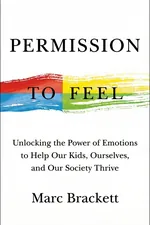
    Permission to Feel

    Marc Brackett

    Marc Brackett, founding director of the Yale Center for Emotional Intelligence, shows why naming a feeling precisely is the first step to handling it well, and shares RULER, the approach to social and emotional learning he led the development of, now adopted by more than 5,000 schools. It suits anyone who knows they feel bad but struggles to say exactly what they feel.

  4. 4

    Atlas of the Heart

    Brené Brown

    Researcher Brené Brown, who has spent two decades studying courage, vulnerability, shame and empathy, maps the emotions and experiences that shape our relationships and gives each one a clear name. Read it after Permission to Feel to widen the vocabulary you use for your own feelings.

  5. 5

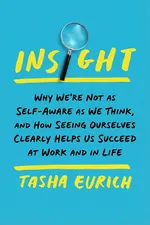
    Insight

    Tasha Eurich

    Organizational psychologist Tasha Eurich explains why we are often less self-aware than we think, and how to see ourselves more clearly by asking for honest feedback and using it well. It closes the self-awareness group because it turns the focus from what you feel to how other people actually experience you.

  6. 6

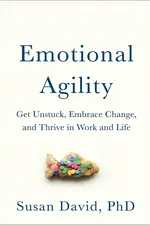
    Harvard Medical School psychologist Susan David shows how to notice difficult thoughts and feelings without letting them steer you, then act on what you value instead. It suits anyone who keeps getting stuck in the same reactions at work or at home.

  7. 7

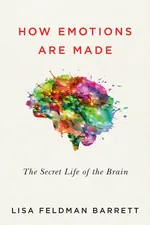
    How Emotions Are Made

    Lisa Feldman Barrett

    Lisa Feldman Barrett, a psychology professor at Northeastern University, argues that emotions are not hardwired reactions but experiences the brain builds from past patterns, culture and signals from the body. It is the most science-heavy pick here, best for readers who want the research behind the practical books.

  8. 8

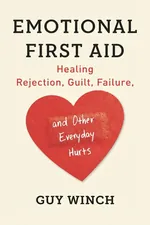
    Psychologist Guy Winch treats everyday emotional injuries such as rejection, loneliness, guilt and failure with the care we would give a cut or a sprain: notice them early and take simple steps so they heal. Pick it when one specific setback is weighing on you.

  9. 9

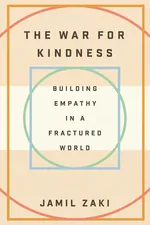
    Jamil Zaki, a Stanford psychology professor who directs the Stanford Social Neuroscience Lab, makes the case that empathy is a skill you can grow rather than a trait you either have or lack. It opens the empathy group because it shows the skill can be trained before the next two books show how to use it.

  10. 10

    Journalist Euny Hong explains nunchi, the Korean art of quickly sensing what other people think and feel, and why reading the room can matter as much as what you say. Many readers in Asia will recognize the idea from daily life; the book gives it a name and shows how to practice it on purpose.

  11. 11

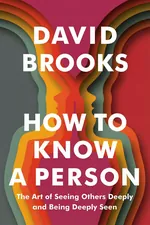
    New York Times columnist David Brooks writes about the skill of truly seeing another person: asking better questions, listening closely and making people feel understood. It suits anyone who wants deeper friendships and working relationships, not just smoother small talk.

  12. 12

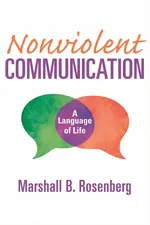
    Nonviolent Communication

    Marshall B. Rosenberg

    Marshall Rosenberg, founder of the Center for Nonviolent Communication, offers a four-part way to speak and listen during conflict: describe what you observe, name your feelings and needs, then make a clear request. It is the most structured tool on this list for turning empathy into words.

  13. 13

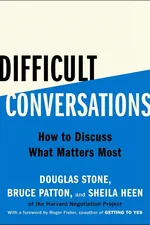
    Douglas Stone, Bruce Patton and Sheila Heen of the Harvard Negotiation Project show that hard conversations are rarely only about facts, because emotions and each person's sense of identity are tangled up in them too. Read it before a talk you have been avoiding with a colleague, a partner or a family member.

  14. 14

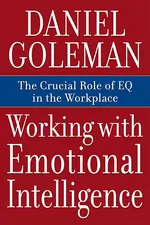
    Goleman's follow-up applies emotional intelligence to careers and organizations, arguing that skills such as self-awareness, empathy and teamwork often matter more at work than technical ability alone. It closes the list for readers who want to bring these skills to their team or their own leadership.

Questions

What is the most famous book about emotional intelligence?

Daniel Goleman’s Emotional Intelligence. It helped bring the idea into everyday conversation, which is why it opens this list. If you want exercises rather than theory, pair it with Emotional Intelligence 2.0, which turns the same skills into short daily strategies.

What are the top 5 books on emotional intelligence?

Pick one book per part of the skill: Emotional Intelligence for the idea, Emotional Intelligence 2.0 for daily exercises, Permission to Feel for naming what you feel, Emotional Agility for handling it and Nonviolent Communication for putting it into words with other people.

How can I improve my emotional intelligence?

Treat it as a skill you practice, not a trait you have or lack. Start by naming what you feel more precisely (Permission to Feel, Atlas of the Heart), practice pausing before you react (Emotional Agility) and ask people you trust how you come across (Insight). Emotional Intelligence 2.0 breaks these steps into small strategies you can try one at a time, and if staying calm under pressure is the hard part, our list of the best mindfulness books covers the practice behind it.

Which emotional intelligence book is best for work?

Working with Emotional Intelligence is the most direct, because it applies the idea to careers and teams. For tense moments with colleagues, add Difficult Conversations. If you lead people, our best leadership books list includes Dare to Lead, and our best books for new managers list covers Crucial Conversations and Thanks for the Feedback.

Home

Search

Discover

Log in